Spillway Gate Hydraulic Upgrade at Pātea Dam
At Manawa Energy’s Pātea Dam, New Zealand, the existing spillway gate control system had become a growing operational risk. The dam’s ageing hydraulic infrastructure was increasingly unreliable, with an old and failing hydraulic system compromising the performance of the spillway gate controls and increasing the risk of operational failure.
For critical hydro infrastructure, reliability is not optional. Spillway gate systems must perform exactly when required, with minimal downtime, low leakage, and robust fail-safe capability. EHL Group was engaged to design and deliver a modern hydraulic solution that would improve operational dependability while addressing the practical constraints of the site.
The result was a high-performance, low-leakage, maintainable hydraulic power unit and control system, engineered specifically for the operating conditions and physical limitations of the Pātea Dam facility.
Project Overview
The project centred on the replacement and upgrade of the spillway gate hydraulic control system at Pātea Dam in Taranaki, New Zealand. The objective was clear: reduce the risk associated with the failing legacy hydraulic system and provide a more resilient, serviceable, and operationally secure solution for long-term dam operation.
EHL Group delivered a full scope solution that included:
- Design and engineering of the upgraded hydraulic system
- Manufacture of hydraulic power units and associated components
- Installation within a constrained existing plant environment
- Full commissioning and servicing
- A design approach focused on redundancy, maintainability, and low leakage performance
This was not simply a like-for-like replacement. It was a purpose-built upgrade designed to improve system integrity and ensure dependable spillway gate operation under real-world conditions.
About Pātea Dam
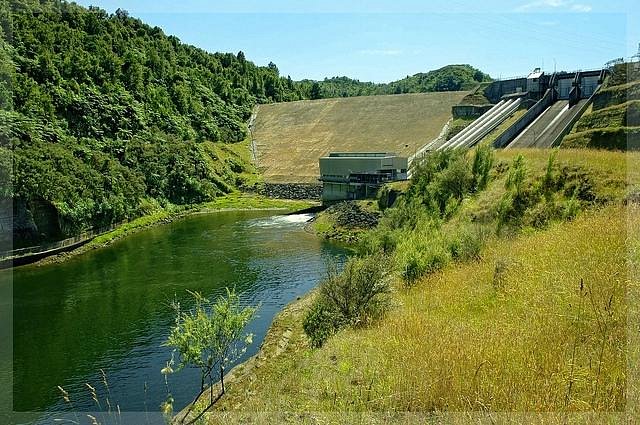
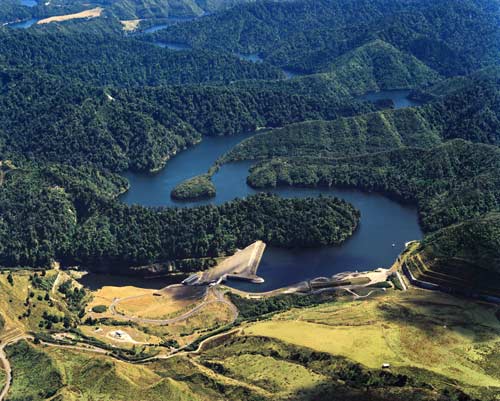
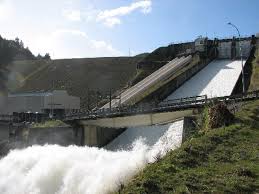
Located in Taranaki, the Pātea Dam is a major hydroelectric asset in New Zealand. Constructed between 1980 and 1984, it is a high compacted earth fill dam standing 82 metres high, making it the fourth highest dam in New Zealand.
The dam is also notable from an engineering perspective. It was the first dam in New Zealand constructed using tertiary sandstone and siltstone as fill materials. It impounds the Pātea River to form Lake Rotorangi, the longest man-made lake in New Zealand.
As a significant piece of generation infrastructure, the dam requires dependable mechanical and hydraulic systems that support safe, consistent, and responsive operation. That made the reliability of the spillway gate controls especially important.
The Challenge: Ageing Hydraulic Infrastructure and Operational Risk
The original hydraulic system had reached a point where its age and condition posed an increasing risk to the spillway gate control function. In critical water control infrastructure, ageing systems can introduce several operational concerns:
- Increased likelihood of component failure
- Higher maintenance demand and reduced parts support
- Greater risk of internal leakage and pressure loss
- Reduced confidence in gate operation during high-demand or emergency conditions
- More difficult servicing and longer intervention times
At Pātea Dam, these issues were compounded by physical installation constraints within the existing plant. Access limitations meant any replacement system had to be carefully engineered for transport, placement, and maintenance within a restricted footprint.
This required more than technical hydraulic expertise. It required a design partner capable of working collaboratively with the end user to understand site realities, maintenance priorities, and operational expectations.
Why EHL Group Was Chosen
EHL Group was selected because of its reputation for delivering practical, engineered hydraulic solutions through a collaborative design process. Rather than imposing a standard package, EHL worked with end-user input to develop a system tailored to the operational needs of the site.
That collaborative approach is particularly valuable on infrastructure upgrade projects, where success depends on balancing performance requirements with installation constraints, maintenance access, redundancy, and lifecycle reliability.
For this project, EHL’s role extended beyond supply. The team took responsibility for the full delivery pathway, from design through to installation, commissioning, and ongoing servicing support.
The EHL Solution
EHL designed and implemented a hydraulic upgrade solution with a strong focus on reliability, accessibility, redundancy, and leak-free performance.
Compact hydraulic power units designed for site constraints
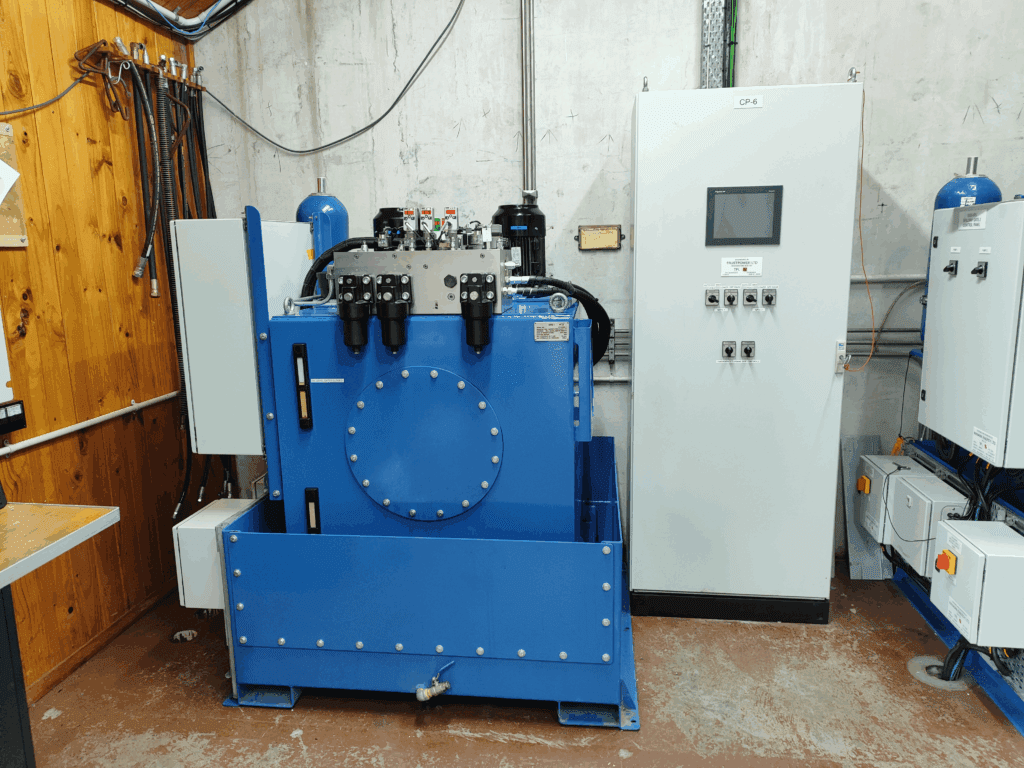
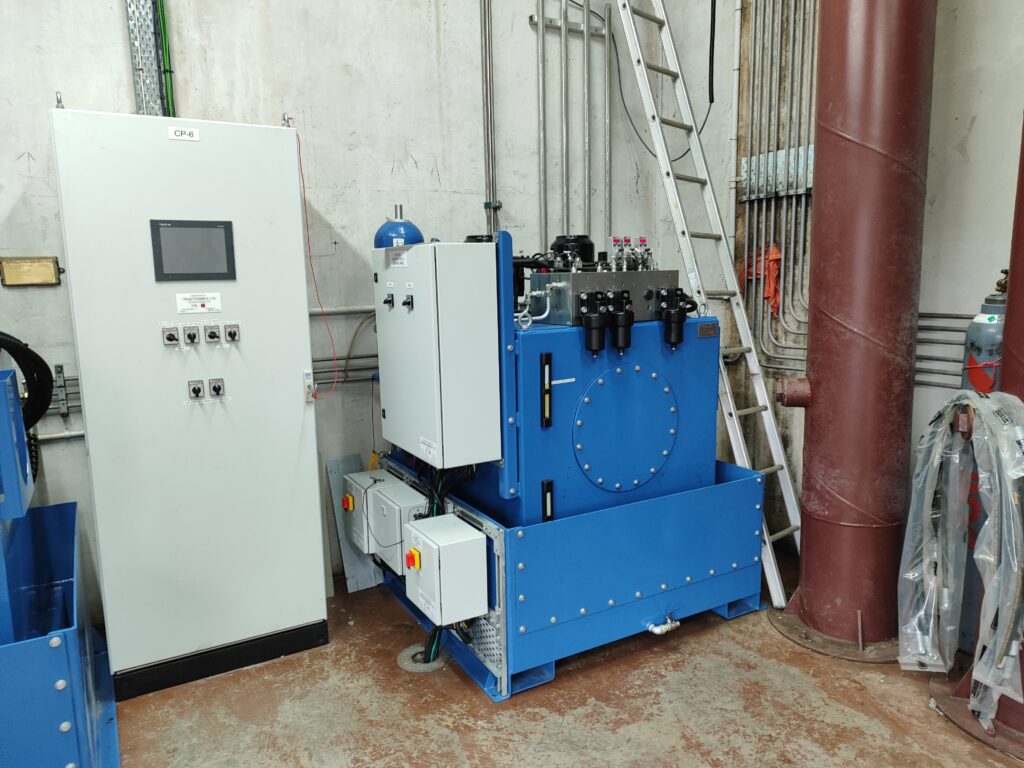
One of the immediate engineering challenges was access. The hydraulic power units (HPUs) and bund had to fit through a 1060 mm doorway, requiring a compact and highly considered design without compromising functionality or serviceability.
To overcome this, the HPUs were designed to be installed into the bund through a removable front panel, allowing placement with minimal lifting requirements. This reduced installation complexity and improved safety during onsite works.
Improved service access and maintainability
Maintenance accessibility was a major design priority. EHL incorporated a large, easily accessible inspection hatch to simplify routine inspection and service tasks.
The system was also engineered so that the standby pump assembly could be removed while the plant remained operational. This is a major operational advantage, as it enables maintenance activity without taking the entire system offline.
In addition, the design allows for the standby high-pressure filter and return filter to be changed while the plant is running. This significantly improves service efficiency and reduces maintenance-related downtime.
Integrated valve block for leak-free performance
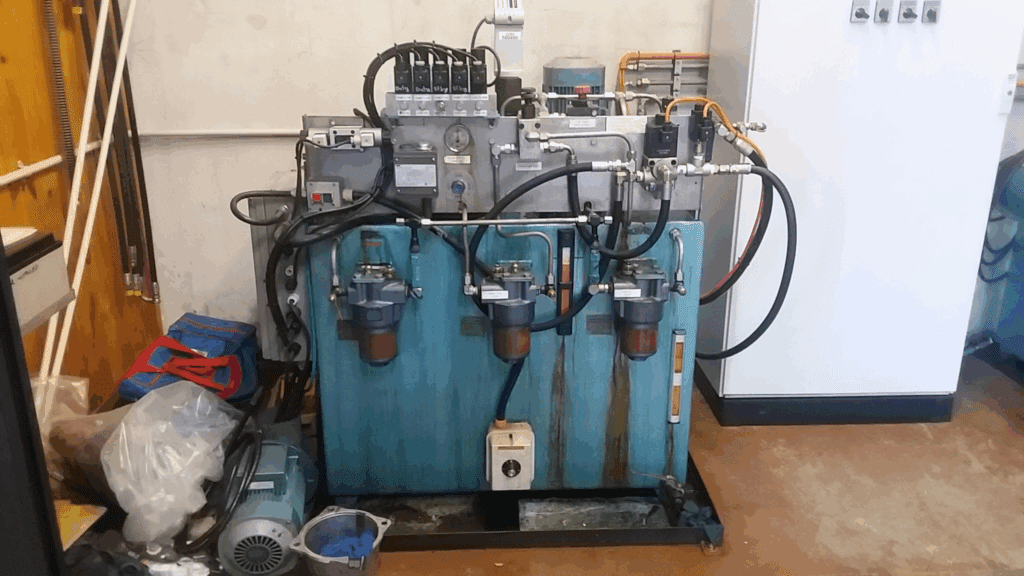
To reduce leak paths and improve hydraulic integrity, all valving and filtration were built into the main control block. This integrated design approach delivers a cleaner and more robust hydraulic architecture compared with conventional systems that rely on more distributed pipework and multiple connection points.
The result is a leak-free design that supports lower pressure loss, cleaner operation, and improved long-term reliability.
Redundancy built into critical control functions
For spillway gate applications, redundancy is essential. EHL incorporated redundant main control valves, ensuring that the system can continue to operate even in the event of a single valve failure.
This redundancy improves resilience and gives operators greater confidence that gate control can be maintained under fault conditions.
Low leakage accumulator performance
The control valves were designed for very minimal leakage, which is especially important for preserving stored accumulator pressure. Low leakage means the system requires far less HPU startup time to recharge accumulators, improving efficiency and reducing unnecessary cycling of equipment.
This contributes to:
- Lower energy use
- Reduced wear on pumps and motors
- Faster readiness of stored hydraulic energy
- Improved overall system stability
Emergency backup capability
As an additional layer of resilience, EHL included an external emergency water turbine pump circuit within the main control block. This built-in provision strengthens emergency operating capability and adds another level of assurance for critical spillway gate control.
Key Technical Features Delivered
The upgraded hydraulic system included the following design features:
- Hydraulic power units and bund engineered to fit through a 1060 mm doorway
- Installation through a removable front panel to minimise lifting requirements
- Large inspection hatch for easier access and maintenance
- Integrated main control block incorporating all valving and filtration for a leak-free design
- Standby pump assembly removable while the plant remains in operation
- Standby high-pressure filter and return filter replaceable during operation
- Redundant main control valves to maintain operation if one valve fails
- Low leakage control valves to preserve accumulator pressure
- Minimal HPU startup requirements due to reduced leakage
- External emergency water turbine pump circuit integrated into the control system
- Full installation, commissioning, and servicing delivered by EHL Group
Project Outcomes
The completed upgrade provided Manawa Energy with a modernised spillway gate hydraulic system that addressed both the operational shortcomings of the legacy equipment and the ongoing maintenance needs of the site.
Key outcomes included:
- Improved operational reliability
- Reduced risk of spillway gate control failure
- Better maintainability and service access
- Lower leakage and more efficient accumulator pressure retention
- Greater system resilience through built-in redundancy
- A practical installation solution tailored to existing site constraints
This project demonstrates the value of designing hydraulic systems around the real needs of operators and maintainers, not just around theoretical performance specifications.
Engineering for Critical Infrastructure
Hydraulic systems used in hydroelectric and dam applications must perform in demanding environments where reliability, safety, and maintainability are all critical. EHL Group’s work at Pātea Dam highlights the importance of integrating these priorities into every stage of the project.
From constrained access design to redundant control architecture and low-leakage performance, the solution was engineered to deliver dependable operation over the long term.
For infrastructure owners and operators, that means more than an equipment upgrade. It means greater confidence in a critical control system that supports the safe operation of an important hydroelectric asset.
Conclusion
The spillway gate hydraulic upgrade at Pātea Dam is a strong example of how collaborative engineering and practical hydraulic design can solve complex infrastructure challenges.
By replacing an ageing and unreliable hydraulic system with a compact, low-leakage, highly maintainable solution, EHL Group helped Manawa Energy reduce operational risk and improve the reliability of a critical spillway gate control function.
The project reflects EHL’s strength in delivering custom hydraulic engineering solutions for essential infrastructure—combining technical performance, practical installation thinking, and long-term serviceability in one integrated outcome.
Legacy System
Solution