Is Your Older Capital Equipment Sitting Idle? It Could Be Ready to Earn Again.
What If Your Old Equipment Isn’t Finished Yet?
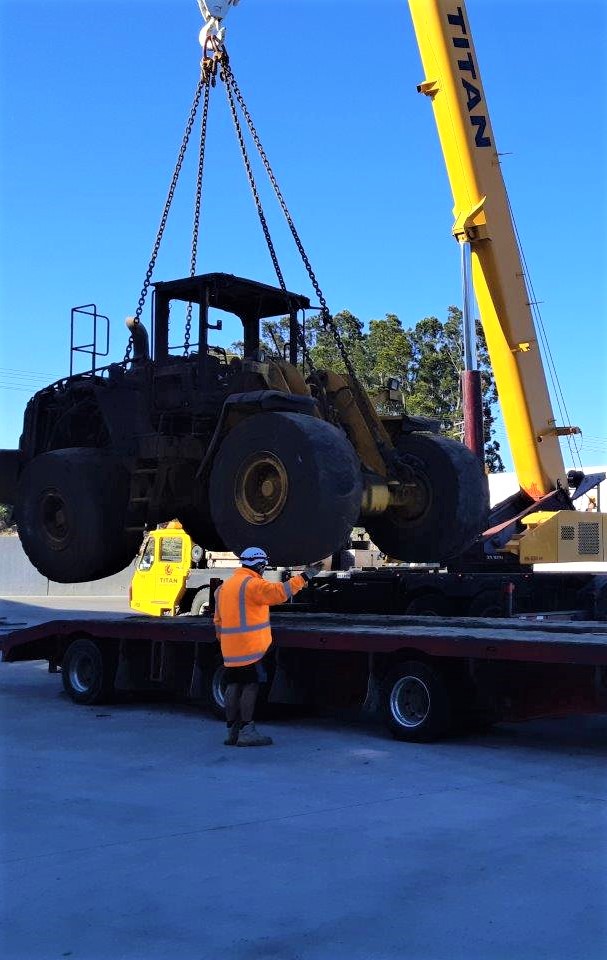
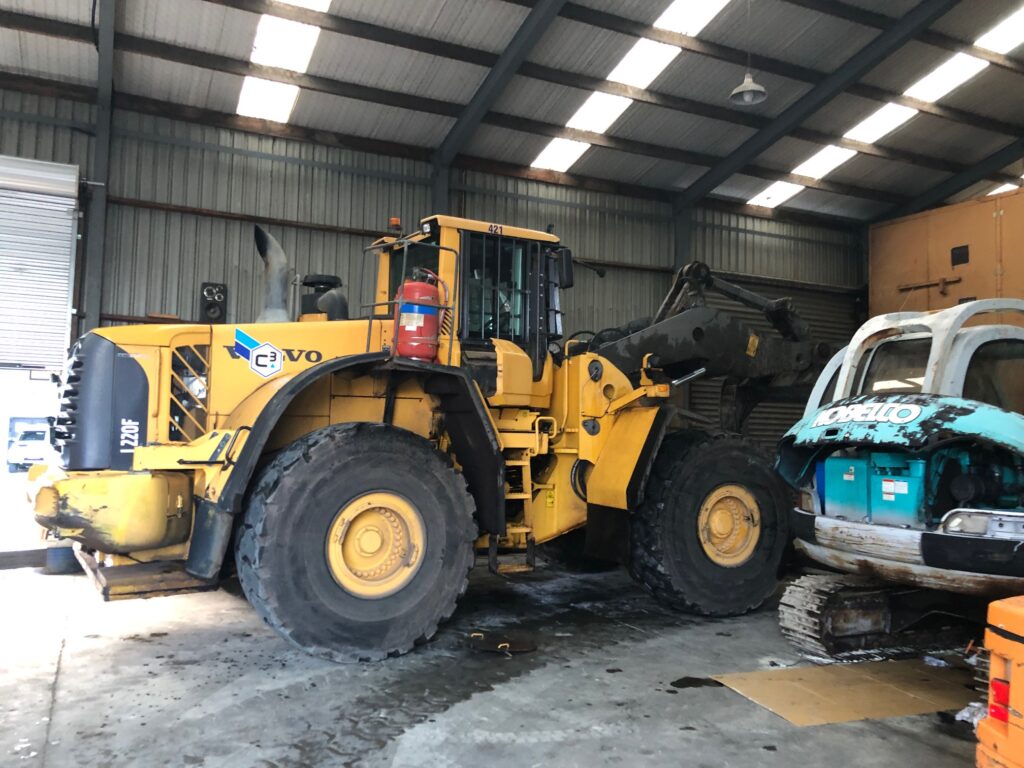
That excavator sitting in the corner of the yard. The grader that hasn’t turned a wheel for months. The hi-rail unit or tailift-fitted vehicle that’s looking a little worse for wear.
Could they still be making you money?
With new capital equipment expensive, finance costs putting pressure on businesses and investment budgets under scrutiny, replacing an older machine isn’t always the only — or smartest — option.
Sometimes, the asset you need is already sitting in your yard.
With the right refurbishment, servicing, hydraulic overhaul, corrosion treatment, repainting, mechanical repairs and certification, an older piece of equipment could have plenty of productive life left in it.
At EHL’s New Plymouth workshops, we help businesses look at their existing equipment differently — not as an old asset, but as an opportunity to get back to work and back to generating revenue.
So, before you write it off, replace it or leave it sitting idle, take another look.
Your next revenue-producing asset might already be yours.
Read on to discover how EHL can help refurbish, reuse and recertify older capital equipment — and get it earning again.
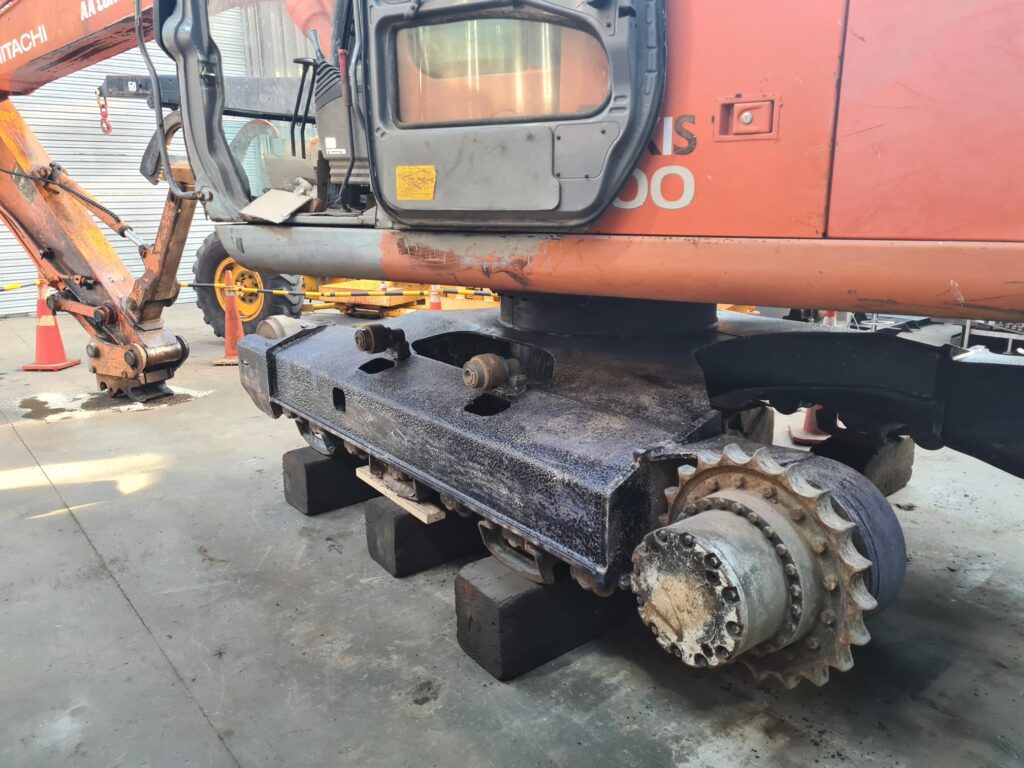
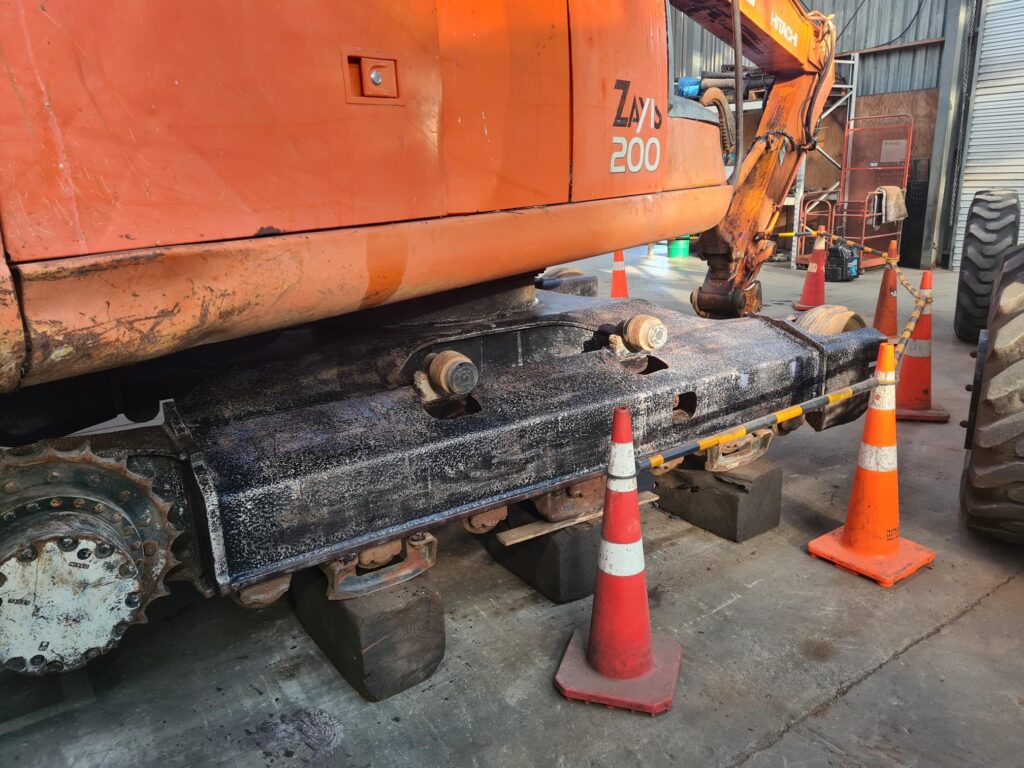

Before you commit to replacing an older excavator, grader, digger, hi-rail, Tailift-equipped vehicle or other capital equipment system, ask a simple question: could it be refurbished, recertified and put back to work for significantly less than replacement?
For many equipment owners and operators, the answer could be yes.
With capital investment budgets under pressure, equipment replacement costs increasing and interest rates making new finance repayments more challenging, replacing an entire machine or specialised equipment system is not always the best commercial option.
Sometimes, the smarter investment is to restore what you already own.
At EHL’s New Plymouth, New Zealand workshops, our team can assess older, rundown or underutilised capital equipment and identify opportunities to refurbish, reuse, overhaul and recertify the system so it can get back to doing what it was designed to do: earning revenue.
Don’t park an asset when you could restore it
Capital equipment represents a significant investment.
But equipment that has spent years working in demanding environments can eventually become tired, corroded, unreliable or simply unattractive to put back into service.
It may have:
- Surface corrosion and rust
- Faded, damaged or deteriorated paintwork
- Worn hydraulic components
- Tired hydraulic hoses and fittings
- Worn tracks, rollers or undercarriage components
- Mechanical service requirements
- Electrical or control-system issues
- Components requiring overhaul or replacement
- Certification or inspection requirements
- A general appearance that no longer reflects a professional working asset
That does not necessarily mean the equipment has reached the end of its useful life.
It may simply need the right refurbishment program.
Refurbishment can be an alternative to replacement
A new machine or specialised equipment system can require a substantial capital commitment.
For businesses operating in a constrained market, that can mean taking on significant new finance repayments for an asset that may take years to pay back.
A properly planned capital equipment refurbishment can provide another pathway.
Rather than replacing the entire asset, EHL can assess the existing equipment and identify where expenditure can be targeted to restore reliability, presentation, functionality and serviceability.
Depending on the equipment and its condition, refurbishment may include:
Rust removal and surface restoration
Corrosion can make equipment look far worse than its underlying mechanical condition.
Removing rust, preparing surfaces and addressing corrosion can significantly improve both the appearance and longevity of an older asset.
Professional repainting
A quality repaint can transform an older piece of equipment.
More importantly, it can help protect the underlying structure and give the asset the professional appearance expected of equipment returning to commercial service.
Full servicing
A comprehensive service can identify worn, deteriorated or unreliable components before the equipment returns to work.
The objective is not simply to make old equipment look new.
It is to make it useful again.
Hydraulic overhaul
Hydraulics are critical to excavators, graders, lifting equipment, hi-rail systems and many other specialised machines.
EHL can assess hydraulic systems and identify components requiring attention, overhaul or replacement.
Tracks, rollers and undercarriage
For tracked equipment, worn tracks and rollers can quickly turn a potentially productive machine into an expensive problem.
Inspection and servicing of tracks, rollers and associated undercarriage components can help restore the equipment’s ability to operate effectively.
Mechanical and system repairs
Older equipment may require a combination of mechanical, hydraulic, electrical or structural work.
The right refurbishment strategy focuses investment on the areas that matter most to returning the equipment to productive service.
Certification and compliance
Where required, equipment can also be assessed and prepared for relevant inspection, testing and certification requirements.
The exact requirements will depend on the equipment, its intended use and applicable standards and regulations.
From rundown asset to revenue-producing equipment
The real value of refurbishment is not a fresh coat of paint.
The real value is getting an asset back into productive service.
Consider equipment sitting in a yard that is no longer earning.
Every month it remains unused, its capital is tied up while the business potentially spends money hiring replacement equipment or delaying work.
A targeted refurbishment can potentially turn that dormant asset back into a productive one.
That means:
Idle equipment → Refurbishment → Recertification → Back to work → Revenue
It is a simple concept, but one that is worth considering before committing to replacement.
What equipment can EHL refurbish?
EHL can assess a wide range of older and specialised capital equipment, including:
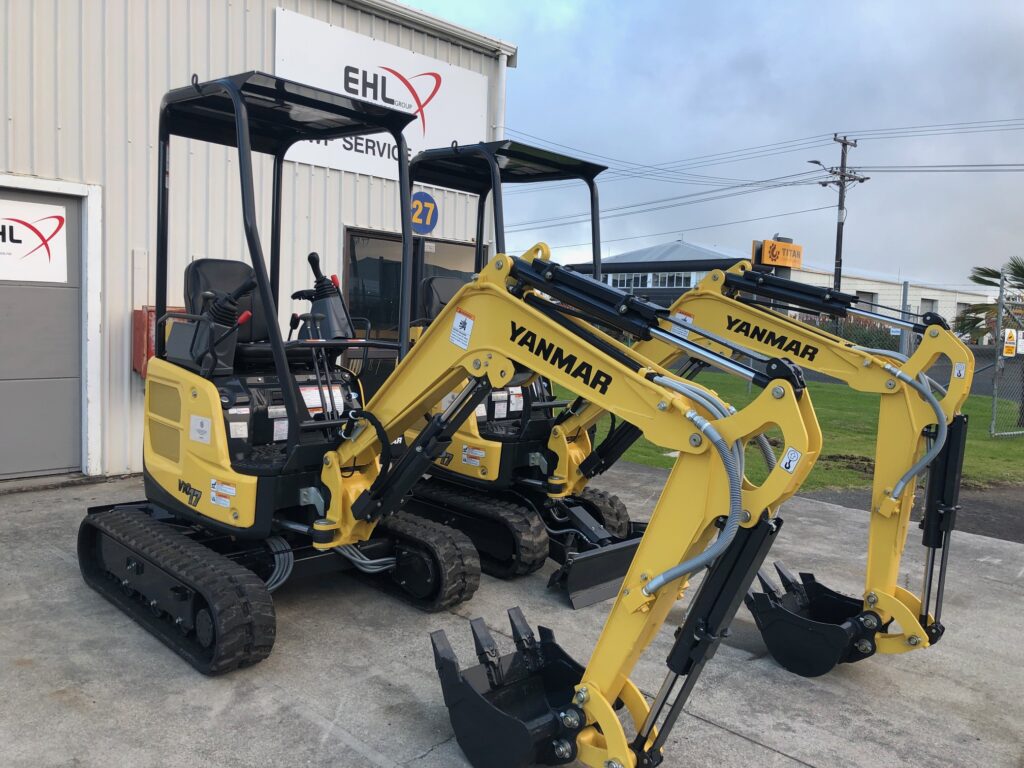
- Excavators
- Diggers
- Graders
- Hi-rail equipment
- Tailift-fitted vehicles
- Hydraulic equipment
- Specialised lifting systems
- Industrial equipment
- Other engineered capital equipment systems
Every machine is different.
The starting point is therefore not a fixed refurbishment package.
It is an assessment of the asset, its condition, its intended use and the commercial outcome you need from it.
The EHL approach: assess before you replace
The first question should not always be:
“How much will a new machine cost?”
It should also be:
“What would it cost to return our existing equipment to productive service?”
That comparison can give equipment owners a much clearer picture of their options.
EHL can assess the condition of the equipment and help identify where refurbishment expenditure is justified and where replacement of individual components may be more appropriate.
The result can be a practical refurbishment pathway designed around getting the equipment ready to use and ready to create revenue again.
Why refurbish with EHL?
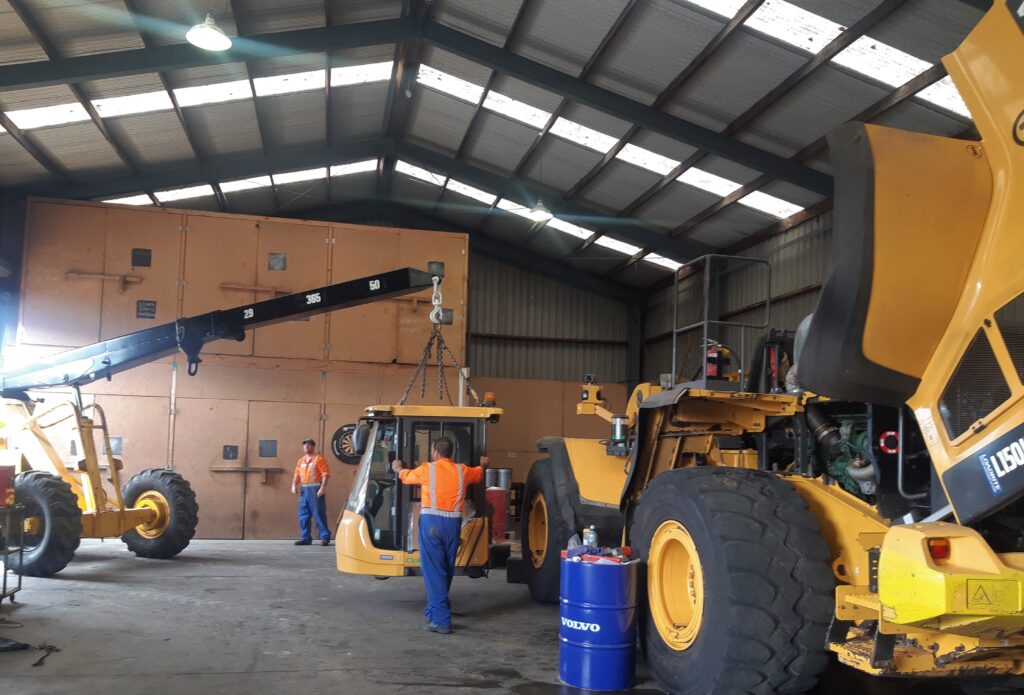
EHL brings engineering, mechanical, hydraulic and refurbishment capability together through its New Plymouth, New Zealand workshops.
That means your equipment can be assessed and refurbished through a coordinated process rather than sending individual problems to multiple suppliers.
Depending on the project, EHL can help address:
Condition → Mechanical systems → Hydraulics → Undercarriage → Appearance → Certification → Return to service
The goal is straightforward:
Make the asset useful again.
Make the investment work harder.
Get it back earning.
Don’t assume old means obsolete
An older machine does not automatically mean an obsolete machine.
In many cases, the underlying structure, engineering and core systems may still have substantial useful life remaining.
The challenge is determining what needs to be restored, what needs to be replaced and what does not need to be touched.
That is where a professional assessment can make a difference.
Rather than spending heavily on a completely new capital asset, a refurbishment program may allow you to extend the productive life of equipment you already own.
Ready to get an asset back to work?
If you have an older, rundown, damaged or underutilised excavator, grader, digger, hi-rail, Tailift-fitted vehicle or other capital equipment system sitting idle, talk to EHL before you write it off or replace it.
Send us the details of the equipment and, where possible, photographs and its current condition.
Our team can assess whether refurbishment, overhaul, reuse and recertification could provide a commercially viable pathway back to service.
Don’t let an old asset sit idle when it could be earning.
Contact EHL today
EHL New Plymouth workshops — New Plymouth, New Zealand
Refurbish it. Reuse it. Recertify it. Put it back to work.
Ready to use. Ready to create revenue.
Talk to EHL about your equipment refurbishment project today.
Contact:
19 Corbett Road, Bell Block 4312,
Taranaki, New Zealand
Email: solutions@ehlsolutions.com
Phone: +64 6 755 2412
Frequently Asked Questions About Capital Equipment Refurbishment
What is capital equipment refurbishment?
Capital equipment refurbishment is the process of inspecting, repairing, servicing, overhauling, restoring and, where required, recertifying existing equipment so it can return to productive service. Refurbishment can be an alternative to replacing an entire capital asset.
Can older excavators and diggers be refurbished?
Yes. Older excavators and diggers can often be assessed for refurbishment. Depending on their condition, work may include mechanical servicing, hydraulic overhaul, track and roller servicing, corrosion treatment, repainting, component replacement and certification where required.
Can EHL refurbish graders?
EHL can assess older or rundown graders to determine whether refurbishment is a viable option. The assessment can identify mechanical, hydraulic, structural, cosmetic and certification requirements before the equipment returns to service.
Can hi-rail equipment be refurbished and recertified?
Hi-rail equipment can potentially be refurbished and prepared for applicable inspection and certification requirements, depending on its condition, configuration and intended use. EHL can assess the equipment and identify the work required.
Can Tailift-fitted vehicles be refurbished?
Yes. Tailift-fitted vehicles can be assessed for refurbishment, including inspection and servicing of relevant mechanical and hydraulic systems, corrosion treatment, repainting and other required repairs or certification.
Is refurbishing equipment cheaper than buying new equipment?
It can be. The economics depend on the condition, age, specification and required refurbishment scope of the equipment. A professional assessment allows the owner to compare the likely refurbishment investment against the cost of replacement and new equipment finance.
Why refurbish capital equipment instead of replacing it?
Refurbishment can extend the useful life of an existing asset while potentially avoiding some of the capital expenditure associated with purchasing new equipment. For businesses operating in a constrained market, restoring an existing asset may provide a practical way to return equipment to productive service.
What does heavy equipment refurbishment include?
Heavy equipment refurbishment can include rust and corrosion treatment, repainting, full servicing, hydraulic repairs or overhaul, mechanical repairs, track and roller servicing, component replacement and certification or inspection where required.
Can refurbishment make old equipment look new again?
A comprehensive refurbishment can substantially improve the appearance of older equipment through corrosion treatment, surface preparation and professional repainting. However, the primary objective is to restore the equipment to a safe, functional and productive condition.
Where does EHL carry out capital equipment refurbishment?
EHL carries out this refurbishment work through its workshops in New Plymouth, New Zealand.
How do I find out whether my equipment is worth refurbishing?
Contact EHL with the equipment details, photographs, age, operating history and information about its current condition. EHL can assess the equipment and help determine whether refurbishment provides a practical pathway back to productive service.
Can refurbished equipment be certified?
Where applicable, refurbished equipment can be inspected and prepared for relevant certification or compliance requirements. Requirements vary according to the equipment, application, jurisdiction and applicable standards.
What should I do with capital equipment that is currently sitting idle?
Do not automatically assume that idle or rundown equipment needs to be replaced. Have it professionally assessed to determine whether refurbishment, overhaul and recertification could return the asset to productive service and revenue generation.
Before you commit to replacing an older excavator, grader, digger, hi-rail, Tailift-equipped vehicle or other capital equipment system, ask a simple question: could it be refurbished, recertified and put back to work for significantly less than replacement?
For many equipment owners and operators, the answer could be yes.
With capital investment budgets under pressure, equipment replacement costs increasing and interest rates making new finance repayments more challenging, replacing an entire machine or specialised equipment system is not always the best commercial option.
Sometimes, the smarter investment is to restore what you already own.
At EHL’s New Plymouth, New Zealand workshops, our team can assess older, rundown or underutilised capital equipment and identify opportunities to refurbish, reuse, overhaul and recertify the system so it can get back to doing what it was designed to do: earning revenue.
Don’t park an asset when you could restore it
Capital equipment represents a significant investment.
But equipment that has spent years working in demanding environments can eventually become tired, corroded, unreliable or simply unattractive to put back into service.
It may have:
- Surface corrosion and rust
- Faded, damaged or deteriorated paintwork
- Worn hydraulic components
- Tired hydraulic hoses and fittings
- Worn tracks, rollers or undercarriage components
- Mechanical service requirements
- Electrical or control-system issues
- Components requiring overhaul or replacement
- Certification or inspection requirements
- A general appearance that no longer reflects a professional working asset
That does not necessarily mean the equipment has reached the end of its useful life.
It may simply need the right refurbishment program.
Refurbishment can be an alternative to replacement
A new machine or specialised equipment system can require a substantial capital commitment.
For businesses operating in a constrained market, that can mean taking on significant new finance repayments for an asset that may take years to pay back.
A properly planned capital equipment refurbishment can provide another pathway.
Rather than replacing the entire asset, EHL can assess the existing equipment and identify where expenditure can be targeted to restore reliability, presentation, functionality and serviceability.
Depending on the equipment and its condition, refurbishment may include:
Rust removal and surface restoration
Corrosion can make equipment look far worse than its underlying mechanical condition.
Removing rust, preparing surfaces and addressing corrosion can significantly improve both the appearance and longevity of an older asset.
Professional repainting
A quality repaint can transform an older piece of equipment.
More importantly, it can help protect the underlying structure and give the asset the professional appearance expected of equipment returning to commercial service.
Full servicing
A comprehensive service can identify worn, deteriorated or unreliable components before the equipment returns to work.
The objective is not simply to make old equipment look new.
It is to make it useful again.
Hydraulic overhaul
Hydraulics are critical to excavators, graders, lifting equipment, hi-rail systems and many other specialised machines.
EHL can assess hydraulic systems and identify components requiring attention, overhaul or replacement.
Tracks, rollers and undercarriage
For tracked equipment, worn tracks and rollers can quickly turn a potentially productive machine into an expensive problem.
Inspection and servicing of tracks, rollers and associated undercarriage components can help restore the equipment’s ability to operate effectively.
Mechanical and system repairs
Older equipment may require a combination of mechanical, hydraulic, electrical or structural work.
The right refurbishment strategy focuses investment on the areas that matter most to returning the equipment to productive service.
Certification and compliance
Where required, equipment can also be assessed and prepared for relevant inspection, testing and certification requirements.
The exact requirements will depend on the equipment, its intended use and applicable standards and regulations.
From rundown asset to revenue-producing equipment
The real value of refurbishment is not a fresh coat of paint.
The real value is getting an asset back into productive service.
Consider equipment sitting in a yard that is no longer earning.
Every month it remains unused, its capital is tied up while the business potentially spends money hiring replacement equipment or delaying work.
A targeted refurbishment can potentially turn that dormant asset back into a productive one.
That means:
Idle equipment → Refurbishment → Recertification → Back to work → Revenue
It is a simple concept, but one that is worth considering before committing to replacement.
What equipment can EHL refurbish?
EHL can assess a wide range of older and specialised capital equipment, including:
- Excavators
- Diggers
- Graders
- Hi-rail equipment
- Tailift-fitted vehicles
- Hydraulic equipment
- Specialised lifting systems
- Industrial equipment
- Other engineered capital equipment systems
Every machine is different.
The starting point is therefore not a fixed refurbishment package.
It is an assessment of the asset, its condition, its intended use and the commercial outcome you need from it.
The EHL approach: assess before you replace
The first question should not always be:
“How much will a new machine cost?”
It should also be:
“What would it cost to return our existing equipment to productive service?”
That comparison can give equipment owners a much clearer picture of their options.
EHL can assess the condition of the equipment and help identify where refurbishment expenditure is justified and where replacement of individual components may be more appropriate.
The result can be a practical refurbishment pathway designed around getting the equipment ready to use and ready to create revenue again.
Why refurbish with EHL?
EHL brings engineering, mechanical, hydraulic and refurbishment capability together through its New Plymouth, New Zealand workshops.
That means your equipment can be assessed and refurbished through a coordinated process rather than sending individual problems to multiple suppliers.
Depending on the project, EHL can help address:
Condition → Mechanical systems → Hydraulics → Undercarriage → Appearance → Certification → Return to service
The goal is straightforward:
Make the asset useful again.
Make the investment work harder.
Get it back earning.
Don’t assume old means obsolete
An older machine does not automatically mean an obsolete machine.
In many cases, the underlying structure, engineering and core systems may still have substantial useful life remaining.
The challenge is determining what needs to be restored, what needs to be replaced and what does not need to be touched.
That is where a professional assessment can make a difference.
Rather than spending heavily on a completely new capital asset, a refurbishment program may allow you to extend the productive life of equipment you already own.
Ready to get an asset back to work?
If you have an older, rundown, damaged or underutilised excavator, grader, digger, hi-rail, Tailift-fitted vehicle or other capital equipment system sitting idle, talk to EHL before you write it off or replace it.
Send us the details of the equipment and, where possible, photographs and its current condition.
Our team can assess whether refurbishment, overhaul, reuse and recertification could provide a commercially viable pathway back to service.
Don’t let an old asset sit idle when it could be earning.
Contact EHL today
EHL New Plymouth workshops — New Plymouth, New Zealand
Refurbish it. Reuse it. Recertify it. Put it back to work.
Ready to use. Ready to create revenue.
Talk to EHL about your equipment refurbishment project today.
Frequently Asked Questions About Capital Equipment Refurbishment
What is capital equipment refurbishment?
Capital equipment refurbishment is the process of inspecting, repairing, servicing, overhauling, restoring and, where required, recertifying existing equipment so it can return to productive service. Refurbishment can be an alternative to replacing an entire capital asset.
Can older excavators and diggers be refurbished?
Yes. Older excavators and diggers can often be assessed for refurbishment. Depending on their condition, work may include mechanical servicing, hydraulic overhaul, track and roller servicing, corrosion treatment, repainting, component replacement and certification where required.
Can EHL refurbish graders?
EHL can assess older or rundown graders to determine whether refurbishment is a viable option. The assessment can identify mechanical, hydraulic, structural, cosmetic and certification requirements before the equipment returns to service.
Can hi-rail equipment be refurbished and recertified?
Hi-rail equipment can potentially be refurbished and prepared for applicable inspection and certification requirements, depending on its condition, configuration and intended use. EHL can assess the equipment and identify the work required.
Can Tailift-fitted vehicles be refurbished?
Yes. Tailift-fitted vehicles can be assessed for refurbishment, including inspection and servicing of relevant mechanical and hydraulic systems, corrosion treatment, repainting and other required repairs or certification.
Is refurbishing equipment cheaper than buying new equipment?
It can be. The economics depend on the condition, age, specification and required refurbishment scope of the equipment. A professional assessment allows the owner to compare the likely refurbishment investment against the cost of replacement and new equipment finance.
Why refurbish capital equipment instead of replacing it?
Refurbishment can extend the useful life of an existing asset while potentially avoiding some of the capital expenditure associated with purchasing new equipment. For businesses operating in a constrained market, restoring an existing asset may provide a practical way to return equipment to productive service.
What does heavy equipment refurbishment include?
Heavy equipment refurbishment can include rust and corrosion treatment, repainting, full servicing, hydraulic repairs or overhaul, mechanical repairs, track and roller servicing, component replacement and certification or inspection where required.
Can refurbishment make old equipment look new again?
A comprehensive refurbishment can substantially improve the appearance of older equipment through corrosion treatment, surface preparation and professional repainting. However, the primary objective is to restore the equipment to a safe, functional and productive condition.
Where does EHL carry out capital equipment refurbishment?
EHL carries out this refurbishment work through its workshops in New Plymouth, New Zealand.
How do I find out whether my equipment is worth refurbishing?
Contact EHL with the equipment details, photographs, age, operating history and information about its current condition. EHL can assess the equipment and help determine whether refurbishment provides a practical pathway back to productive service.
Can refurbished equipment be certified?
Where applicable, refurbished equipment can be inspected and prepared for relevant certification or compliance requirements. Requirements vary according to the equipment, application, jurisdiction and applicable standards.
What should I do with capital equipment that is currently sitting idle?
Do not automatically assume that idle or rundown equipment needs to be replaced. Have it professionally assessed to determine whether refurbishment, overhaul and recertification could return the asset to productive service and revenue generation.