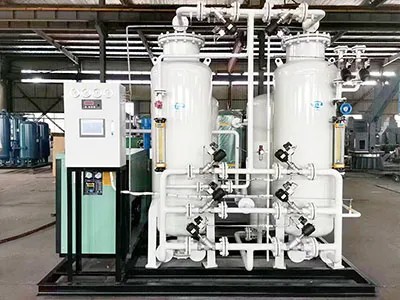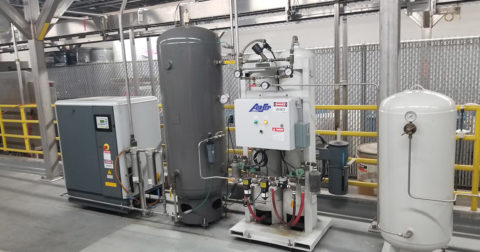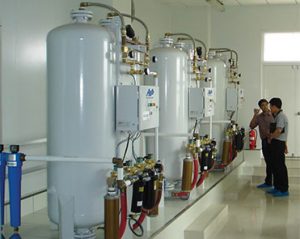
Oxygen Generation Systems Powering Australia, New Zealand & the Pacific Islands
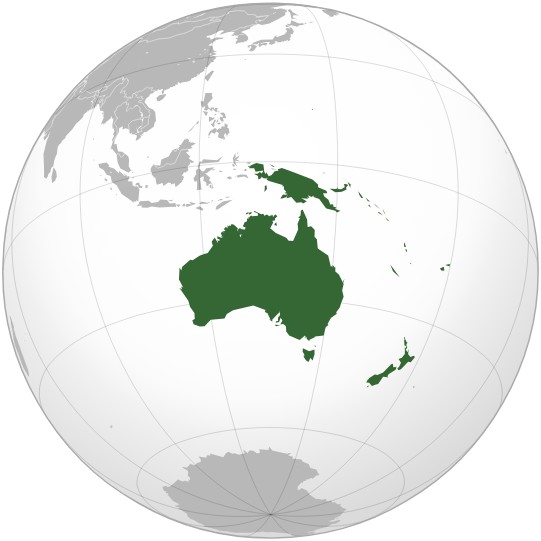
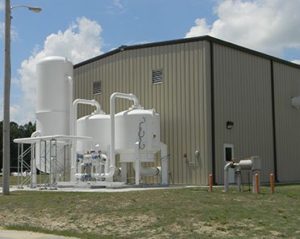
Across Australia, New Zealand, Papua New Guinea, and the wider Pacific region, industries are turning to localised oxygen generation systems as a smarter, safer, and more sustainable way to meet their oxygen demands. Traditional supply methods—liquid tanks and cylinder deliveries—are giving way to modern Pressure Swing Adsorption (PSA) and Vacuum PSA (VPSA) systems that produce oxygen directly from ambient air.
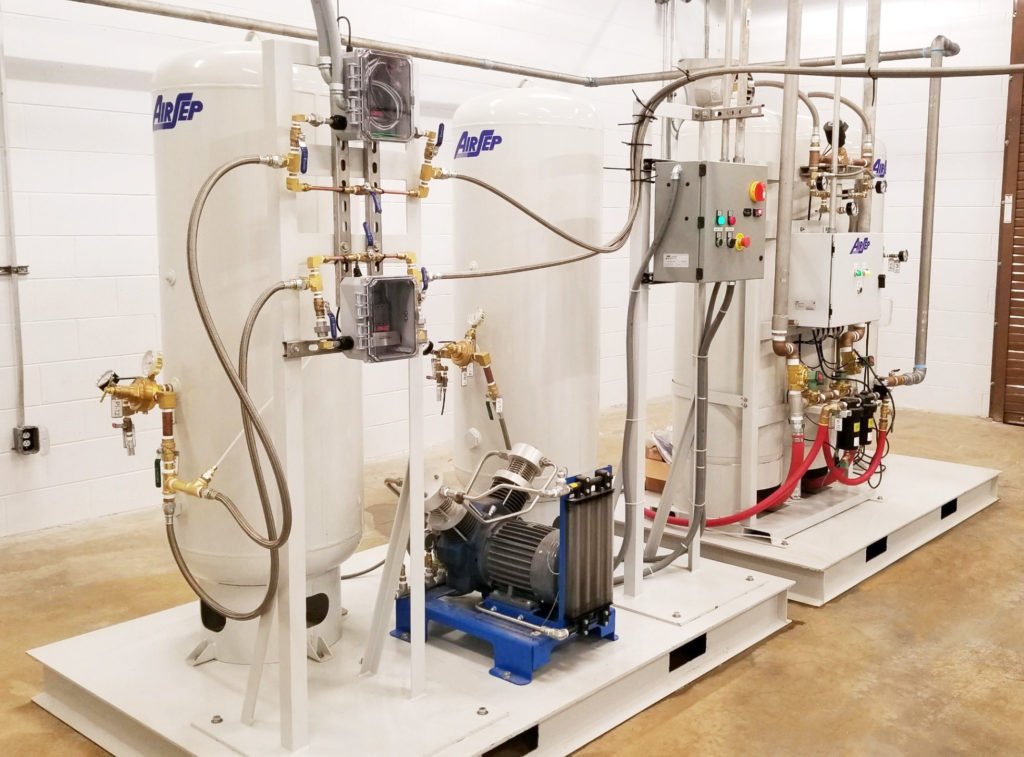
One of the leaders in this field is EHL Group, with proven experience specifying, designing, fabricating, installing, and supporting proven AirSep oxygen systems across a range of industrial and remote applications. Their engineered approach ensures every installation is tailored precisely to environmental and operational needs.
Why Oxygen Generation Makes Sense Across the Region
1. Diverse Applications
On-site oxygen systems now serve critical roles in:
- Healthcare and hospitals – Reliable on-demand medical-grade oxygen reduces reliance on deliveries, vital for rural and island facilities.
- Water and wastewater treatment – Supplemental oxygen improves biological treatment efficiency and reduces odour emissions.
- Aquaculture and fisheries – Controlled oxygenation enhance yield, fish health, and production stability.
- Mining and metallurgy – Oxygen-enriched combustion improves smelting efficiency and energy use, particularly in remote Papua New Guinea and outback Australia.
- Food, beverage, and ozone generation – High-purity oxygen is used for sterilisation, packaging, and process improvement.
- Industrial manufacturing – Processes like glassmaking and steel production achieve better combustion and productivity with consistent on-site oxygen.
Advantages Over Traditional Oxygen Supply
| Aspect | Localised Oxygen Generation | Traditional Supply (Cylinders / Liquid) |
| Reliability | Continuous operation, independent of logistics or weather interruptions | Prone to delivery delays, especially in remote or island locations |
| Cost Efficiency | 30–70% lower OPEX once installed; no transport or rental fees | Ongoing delivery, rental, and fuel costs accumulate over time |
| Safety | Lower handling risks—no high-pressure cylinders or cryogenic storage | Cylinder shifting and refills introduce handling and storage hazards |
| Scalability | Modular design allows easy expansion as demand grows | Limited by delivery scheduling and supply contracts |
| Sustainability | No transport emissions or production waste | High carbon footprint from liquefaction and transport logistics |
As industrial operators move toward decarbonisation and supply-chain resilience, these benefits are compelling across both metropolitan and remote operations.
Why Oxygen Generation Makes Sense Across the Region
Key Advantages
- Independence from supply chains: No reliance on truck, ship, or cylinder deliveries vulnerable to weather or transport delays.
- Safety and simplicity: Eliminates handling of high-pressure or cryogenic oxygen cylinders.
- Cost efficiency: up to 70% lower operating cost over system lifetime.
- Sustainability: On-demand production reduces transport emissions and environmental footprint.
- 24/7 reliability: Designed for continuous operation in remote or resource-demanding applications.
These benefits are amplified across regions like Papua New Guinea, Fiji, Samoa, and rural Australia, where logistics and terrain make consistent supply a persistent challenge.
Industry Focus
1. Healthcare: Reliable Oxygen for Remote and Island Communities
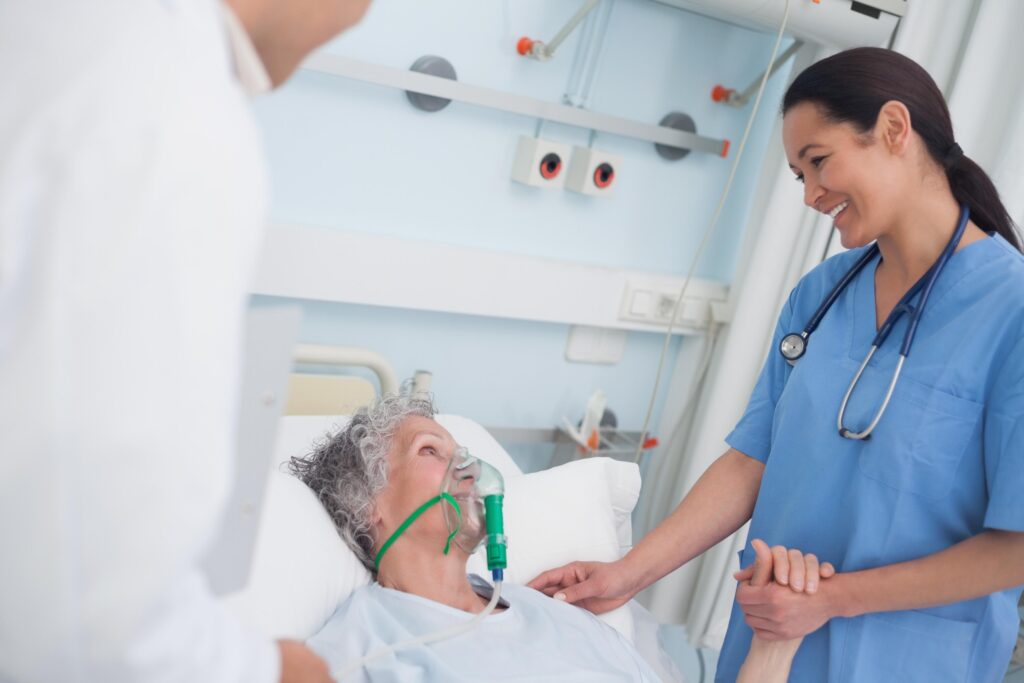
Access to safe and continuous medical oxygen is vital—but traditional supply models often fail to meet this need across the Pacific and rural Australasia. Remote hospitals and clinics depend on infrequent bulk deliveries or fly-in cylinders that are costly and prone to interruption.
On-site oxygen generation addresses these exact risks. PSA medical oxygen systems from EHL Group and AirSep produce a continuous stream of 93–95% oxygen, fully compliant with ISO 10083 and major hospital standards.
Key Technical and Operational Benefits
- On-demand production: Systems deliver oxygen 24/7 directly to pipeline or filling stations, reducing the need for bulk storage.
- Integrated redundancy: Dual-bed PSA design ensures uninterrupted supply, even during pressure equalization cycles.
- Low maintenance: Minimal moving parts and remote monitoring deliver high uptime, critical for isolated regions.
- Energy efficient: Compact compressors and low power consumption support operation on hybrid power or solar-assisted systems.
Why It Matters
In regions like PNG, Solomon Islands, and rural Queensland, weather and infrastructure can delay logistics for weeks. Locally generated medical oxygen eliminates that single point of failure, offering true supply security. Hospitals gain control of production, avoid cylinder stockouts, and maintain consistent life-support capability—even in emergencies or disaster response scenarios.
EHL Group’s healthcare portfolio includes modular oxygen generation plants integrated with local reticulation systems, containerised designs for remote hospitals, and turnkey projects combining air compression, PSA generation, receivers, and distribution control.
2. Mining: Oxygen for Gold Processing and Metallurgical Efficiency
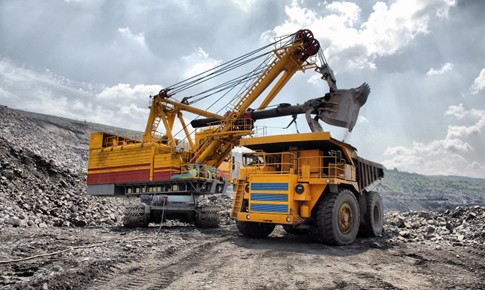
In the mining sector—especially gold processing—oxygen is an essential reagent. High-purity oxygen enhances cyanidation kinetics, reduces cyanide consumption, and improves the overall recovery rate. However, conventional bulk oxygen supply is logistically expensive and operationally high-risk for remote mines in Western Australia, Papua New Guinea, and the Pacific.
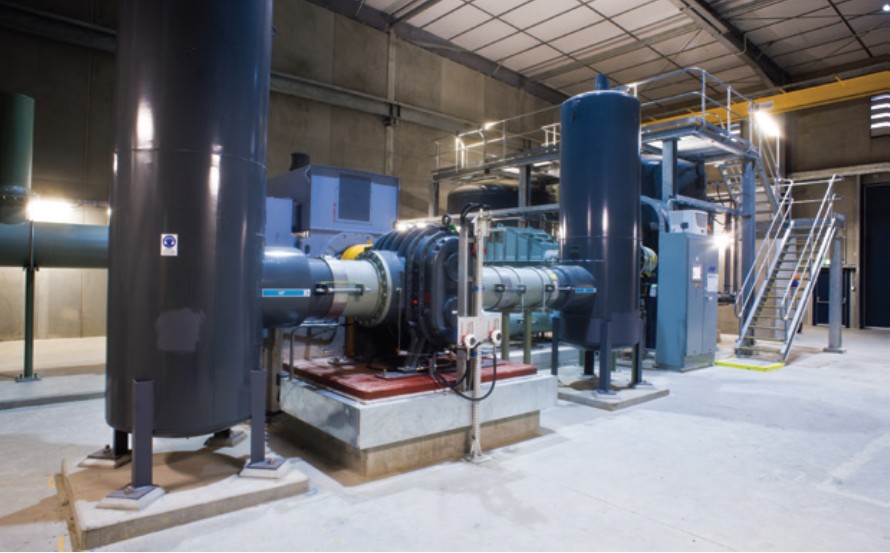
With EHL Group’s engineered PSA and VPSA oxygen systems, miners achieve independent, locally generated oxygen production tailored to process flow rates and site conditions.
Technical Performance
- Purity: 93–95% oxygen ideal for gold leaching circuits.
- Flow rate scalability: Modular arrays provide capacities from 10 Nm³/h to over 5000 Nm³/h.
- Process integration: Systems interlocked with leach agitation and oxidation circuits for efficient oxygen dosing.
- Power optimisation: Demand-control logic ensures oxygen output matches process demand, reducing energy waste.
Advantages Over Bulk Supply
- Reduced logistics costs: No dependency on road tankers or cylinder deliveries to remote processing plants.
- Operational reliability: Eliminates production delays caused by supply interruptions.
- Improved safety: No handling of cryogenic liquids or compressed gas deliveries.
- Sustainability: Reduced carbon footprint through on-site air separation compared to trucked-in oxygen.
EHL Group has designed and commissioned complete oxygen systems for gold, copper, and nickel operations, integrating plant control, receiver tanks, and ring-main pipelines. Their end-to-end capability—from concept to commissioning—ensures reliable performance under demanding environmental and operational conditions.
3. Water and Wastewater Treatment: Boosting Biological Efficiency
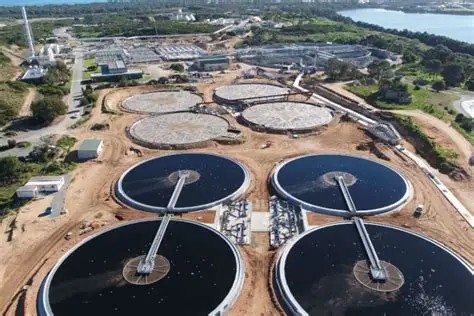
Municipal and industrial wastewater plants across New Zealand, Australia, and the Pacific Islands face growing demands for performance and energy efficiency. Maintaining high dissolved oxygen levels is key to supporting aerobic biological processes for BOD and COD reduction.
Localised oxygen generation provides a stable, controllable supply of oxygen without chemical oxidants or reliance on cylinder deliveries.
Technical Advantages
- Biological efficiency: Oxygen-enriched aeration increases microbial activity, improving organic degradation and nitrification efficiency.
- Operational stability: Consistent oxygen concentration improves process control and reduces odour generation.
- Energy savings: PSA/VPSA systems allow precise oxygen dosing, reducing blower power consumption compared to air-only aeration.
- Scalable modularity: Solutions can be expanded to match seasonal or population-driven load fluctuations.
Real-World Impact
For coastal and island wastewater plants in Fiji, Tonga, and the Cook Islands, local generation eliminates the need for frequent compressed oxygen shipments—reducing costs and environmental impact. Similarly, Australian water utilities leverage oxygen systems to optimise lagoon or oxidation ditch performance with lower operating overheads.

EHL Group: Regional Expertise You Can Depend On
EHL Group combines technical excellence with strong regional insight. Their multidisciplinary team delivers turnkey oxygen solutions that withstand the Pacific’s tough environmental conditions and logistical constraints. Each system is engineered for reliability, safety, and lifecycle value, backed by local support teams offering:
- Full system design and specification
- In-house fabrication and testing
- Installation and commissioning expertise across remote and urban sites
- 24/7 technical support, maintenance, and spare parts through regional service hubs
Their partnerships with AirSep and other key supply partners ensure OEM-backed reliability with proven global support.
The Bottom Line
From hospitals to gold mines to municipal treatment plants, on-site oxygen generation is redefining how vital industries across Australia, New Zealand, and the Pacific source oxygen. With EHL Group’s engineering expertise, organisations no longer have to accept delivery bottlenecks, safety risks, or escalating logistics costs.
EHL builds independence—oxygen on demand, where and when it’s needed.
Weighing Costs, Risks, and Long-Term Value
While localised oxygen systems require initial capital investment, the lifetime cost savings and reliability outweigh traditional delivery models within two to three years. There is no exposure to market fluctuations in bulk oxygen pricing, shipping delays, or contract dependencies — critical for the Pacific Islands and remote Australian outposts where logistics are complex and weather-dependent.
Add to this the minimal maintenance and robust 20+ year operating life of AirSep VPSA systems, and the case becomes even stronger. The return is not just financial: it’s operational independence and environmental responsibility.
Final Thoughts
Across the Pacific and Australasia, the shift toward localised oxygen generation is well underway. With strong local support from EHL Group, industries can secure a dependable supply of oxygen tailored precisely to their needs—reducing costs, mitigating risks, and contributing to a more sustainable regional future.
Ready to design your on-site oxygen solution?
Contact EHL Group at solutions@ehlsolutions.com and explore how their engineering team can customise a system for your industry.