
Nitrogen and Oxygen Gas in Brewing: Optimising Beer Quality, Consistency, and Supply Security with On-Site Gas Generation
Behind every great beer is a carefully controlled brewing process, and industrial gases play a far more important role than many realise. From supporting healthy yeast activity during fermentation to protecting finished beer from oxidation, oxygen and nitrogen are essential utilities that directly influence product quality, consistency, and shelf life.
As breweries face growing pressure to improve efficiency, manage costs, and strengthen supply resilience, many are re-evaluating how these gases are sourced and used. This article explores the critical functions of nitrogen and oxygen throughout the brewing process and examines why on-site gas generation is becoming an increasingly attractive solution for both craft and commercial brewing operations
Introduction
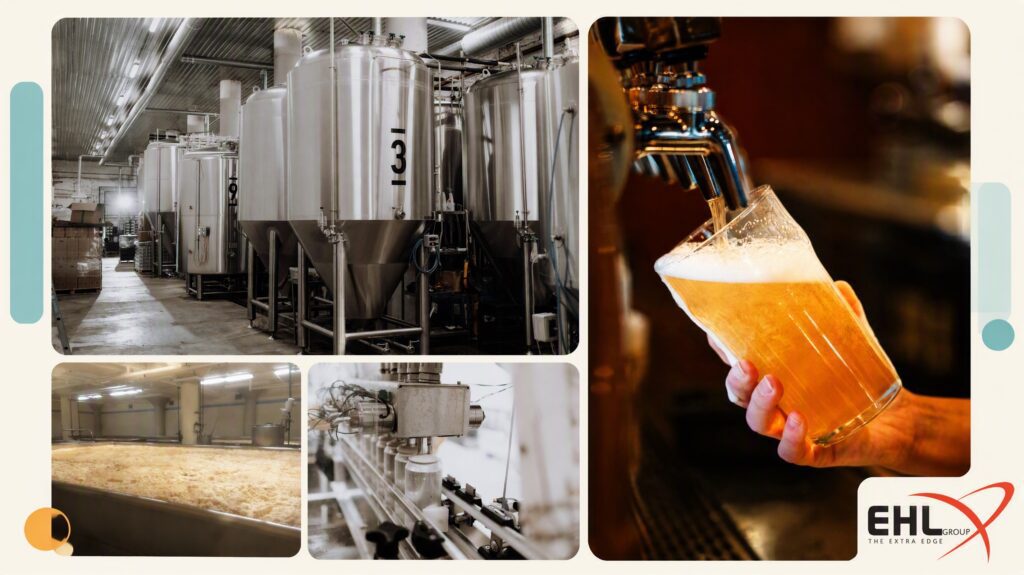
Modern brewing is a sophisticated combination of science, engineering, and craftsmanship. Whether operating a multinational brewery producing millions of litres annually or a local craft brewery focused on premium small-batch beers, maintaining product consistency, efficiency, and quality is essential.
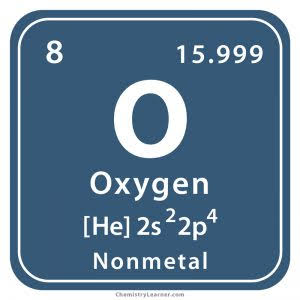
Two industrial gases play a critical role throughout the brewing process: oxygen (O₂) and nitrogen (N₂). Oxygen is vital during wort aeration and yeast propagation, directly influencing fermentation performance, while nitrogen is widely used for tank blanketing, packaging operations, beer dispensing, and oxygen displacement.
Historically, breweries relied on delivered gas cylinders, bulk liquid gas tanks, or microbulk systems. However, increasing transportation costs, supply chain uncertainty, sustainability goals, and quality requirements are driving breweries toward on-site gas generation systems. These systems provide a reliable source of nitrogen and, when required, oxygen, enabling breweries to gain better control over production processes while reducing operating costs.
This article explores the role of nitrogen and oxygen throughout the brewing process and explains why gas generation systems are becoming a strategic investment for both commercial and craft brewers.
The Role of Oxygen in Brewing
Oxygen often receives a bad reputation in brewing because excessive oxygen exposure can lead to beer oxidation. However, oxygen is essential at specific stages of production.
Wort Aeration and Yeast Health
Following wort cooling and before fermentation begins, oxygen is introduced into the wort to support healthy yeast growth.
Yeast requires oxygen to:
- Build strong cell membranes
- Synthesize sterols and fatty acids
- Improve cell reproduction
- Promote efficient fermentation
- Reduce the risk of stuck fermentations
Without adequate oxygen, yeast can become stressed, leading to:
- Lower attenuation
- Off-flavours
- Reduced yeast viability
- Inconsistent fermentation profiles
For many brewing applications, dissolved oxygen levels between 8 and 12 ppm are targeted, depending on the beer style and yeast strain.
Benefits of Controlled Oxygenation
Proper oxygen dosing can help breweries achieve:
- Faster fermentation starts
- Improved fermentation consistency
- Reduced fermentation times
- Better flavour stability
- Higher yeast harvesting performance
Commercial breweries frequently use high-purity oxygen systems to ensure precise and repeatable dissolved oxygen levels, particularly in high-gravity brewing operations.
Oxygen in Yeast Propagation Systems
Large breweries often maintain dedicated yeast propagation facilities where oxygen is supplied during the growth phase.
Benefits include:
- Improved yeast vitality
- Higher cell counts
- Greater fermentation efficiency
- Reduced yeast replacement costs
For breweries seeking maximum consistency, oxygen purity and dosing accuracy are critical process variables.
The Role of Nitrogen in Brewing
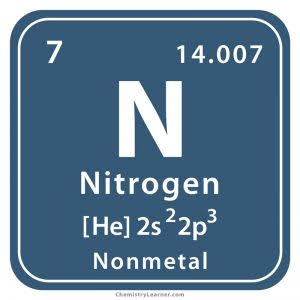
Unlike oxygen, nitrogen is primarily used to create inert environments and protect the beer from oxidation.
Nitrogen is colourless, odourless, inert, and does not readily react with beer.
This makes it ideal for numerous brewery applications.
Tank Blanketing
One of the most important uses of nitrogen is tank blanketing.
Nitrogen is applied to:
- Bright beer tanks
- Fermentation vessels
- Storage vessels
- Packaging tanks
The nitrogen blanket prevents atmospheric oxygen from entering the tank.
Benefits of Tank Blanketing
Breweries benefit from:
- Reduced dissolved oxygen pickup
- Improved flavour stability
- Extended shelf life
- Reduced product spoilage
- Better consistency between batches
For breweries exporting beer over long distances, oxygen control is particularly important because oxidation can significantly impact product quality during transportation and storage.
Product Transfer Operations
During beer transfer between vessels, exposure to oxygen can occur.
Nitrogen can be used to:
- Pressurise tanks
- Purge pipelines
- Push beer between vessels
- Eliminate oxygen ingress
The result is improved product stability and lower dissolved oxygen levels throughout the brewing process.
Packaging Line Applications
Packaging represents one of the highest-risk stages for oxygen ingress.
Nitrogen is frequently used for:
Bottle Purging
Nitrogen removes oxygen from bottles before filling.
Benefits include:
- Lower total package oxygen
- Extended shelf life
- Improved flavour retention
Can Purging
Nitrogen is widely used to flush oxygen from cans before filling.
This helps preserve:
- Hop character
- Aroma compounds
- Freshness
Headspace Inerting
Nitrogen can replace oxygen in package headspace after filling and before sealing.
This reduces oxidation throughout the beer’s shelf life.
Nitrogen Dosing for Canned Beverages
Many breweries produce:
- Nitro stouts
- Nitro ales
- Nitro coffees
- Nitro ready-to-drink products
Nitrogen dosing provides:
- Reduced package oxygen
- Increased package rigidity
- Enhanced pour characteristics
- Signature creamy mouthfeel
The iconic cascading effect seen in nitro beers is achieved through dissolved nitrogen and specialised dispensing systems.
Nitrogen for Dispensing and Serving
Nitrogen blended with carbon dioxide is commonly used in beer dispense systems.
Applications include:
- Nitro stouts
- Cream ales
- Specialty beers
Benefits include:
- Smooth mouthfeel
- Dense creamy foam
- Reduced carbonation bite
- Improved visual presentation
This creates a unique drinking experience highly valued by consumers.
Challenges with Traditional Gas Supply Methods
Many breweries continue to depend on:
- Gas cylinders
- Cylinder packs
- Dewars
- Bulk liquid systems
While these technologies have served the industry for decades, they present several challenges.
Supply Security Risks
Breweries relying on delivered gases face:
- Delivery delays
- Logistics disruptions
- Road transport issues
- Seasonal demand fluctuations
- Supplier shortages
A gas supply interruption can quickly impact brewing schedules and production capacity.
For high-volume breweries, even a short interruption may cause significant operational disruption.
Cost Volatility
Delivered gas costs include:
- Gas production
- Liquefaction
- Transportation
- Storage
- Cylinder handling
- Rental charges
As fuel and freight costs increase, breweries experience greater operating cost uncertainty.
Labour and Safety Considerations
Managing cylinders involves:
- Manual handling
- Inventory management
- Cylinder changeovers
- Safety compliance
These activities consume valuable production resources while introducing additional workplace risks.
Advantages of On-Site Nitrogen Generation Systems
Modern breweries increasingly install on-site nitrogen generators using either:
- Pressure Swing Adsorption (PSA)
- Membrane technology
These systems produce nitrogen directly from compressed air whenever needed.
1. Supply Security
Perhaps the greatest benefit is independence from external deliveries.
Breweries gain:
- Continuous nitrogen availability
- Reduced supply chain risk
- Improved production reliability
- Business continuity protection
This is especially valuable for breweries in regional areas where deliveries may be less frequent.
2. Significant Cost Control
On-site nitrogen generation can dramatically reduce gas expenditure.
Breweries no longer pay for:
- Cylinder rental
- Delivery charges
- Freight costs
- Liquid gas evaporation losses
- Emergency supply callouts
Instead, nitrogen is produced on demand from compressed air.
Many breweries achieve attractive payback periods while benefiting from predictable operating expenses.
3. Improved Quality Control
In-house nitrogen generation provides:
- Consistent purity
- Continuous availability
- Stable process conditions
Brewers can maintain tighter control over:
- Dissolved oxygen levels
- Packaging quality
- Tank blanketing effectiveness
This leads to greater batch-to-batch consistency.
4. Sustainability Benefits
On-site generation significantly reduces emissions associated with:
- Gas transportation
- Cylinder logistics
- Bulk tanker deliveries
Benefits include:
- Reduced carbon footprint
- Lower transport emissions
- Improved environmental performance
- Enhanced sustainability reporting
These advantages support growing brewery ESG and sustainability initiatives.
5. Scalability
As production grows, nitrogen generation systems can often be expanded.
This provides:
- Future-proof capacity
- Flexible production support
- Lower long-term capital expenditure
Breweries avoid repeatedly upgrading gas delivery infrastructure as output increases.
Oxygen Generation Systems for Breweries
While nitrogen generation is more common, oxygen generation systems are increasingly being adopted by larger breweries.
On-site oxygen generators provide:
- Reliable wort aeration
- Improved fermentation control
- Reduced dependence on bottled oxygen
- Increased operational flexibility
Applications include:
- Wort oxygenation
- Yeast propagation
- Fermentation optimisation
Breweries with high oxygen demand can realise significant operational savings while maintaining precise process control.
Gas Generation Solutions for Craft Brewers
Craft breweries often operate with limited budgets and production space.
Modern compact gas generation systems provide:
- Small footprint designs
- Automated operation
- Low maintenance requirements
- Scalable capacity
Benefits for craft brewers include:
- Lower operating costs
- Reduced packaging oxygen levels
- Enhanced beer quality
- Improved production flexibility
Many craft breweries find that nitrogen generation becomes increasingly valuable as distribution expands beyond local taproom sales and product shelf life becomes more critical.
Gas Generation Solutions for Large Commercial Breweries
For high-volume breweries, gas consumption can be substantial.
Large-scale gas generation solutions support:
- Continuous production operations
- High-speed packaging lines
- Multiple fermentation trains
- Extensive storage facilities
Benefits include:
- Lower lifecycle gas costs
- Process standardisation
- Centralised gas management
- Greater supply reliability
- Reduced operational risk
The result is improved efficiency and stronger control over brewery operations.
The Future of Brewing Gas Supply
As breweries continue to pursue operational excellence, sustainability targets, and cost optimisation, on-site gas generation is becoming an increasingly attractive alternative to traditional gas supply models.
Nitrogen and oxygen are no longer viewed simply as utilities but as critical process inputs that directly influence beer quality, production efficiency, and profitability.
By generating nitrogen and oxygen on demand, breweries can improve supply security, control costs, enhance quality assurance, and support long-term growth strategies.
Conclusion
Nitrogen and oxygen each play essential but very different roles in brewing. Oxygen supports healthy fermentation and yeast performance, while nitrogen protects beer quality by preventing oxidation during storage, transfer, packaging, and dispensing.
For both craft and commercial breweries, the adoption of on-site gas generation systems offers a compelling combination of supply security, cost control, quality consistency, and sustainability benefits. As the brewing industry continues to evolve, breweries that take greater control of their gas supply infrastructure will be better positioned to maintain product excellence, reduce operational risk, and drive long-term profitability.
Contact EHL Solutions
Ready to Improve Brewery Gas Supply, Quality and Operating Costs?
Whether you operate a large commercial brewery, regional brewery, or growing craft brewery, EHL Solutions can help evaluate opportunities for nitrogen and oxygen gas generation to improve supply reliability, reduce operating costs, and enhance brewing quality control.
New Zealand
📧 Email: solutions@ehlsolutions.com
📞 Phone: +64 6 755 2412
Australia & Pacific
📧 Email: solutions@ehlsolutions.com
📞 Phone: +61 42 138 0442
Speak with a Brewery Gas Specialist
EHL Solutions assists breweries with:
- Nitrogen generation systems
- Oxygen generation systems
- Brewery gas audits
- Packaging oxygen reduction strategies
- Tank blanketing solutions
- Process optimisation
- Cost reduction assessments
- Supply security planning
- Sustainability improvement initiatives
Contact EHL Solutions today to discuss a tailored gas generation solution for your brewery.
FAQ: Nitrogen and Oxygen Gas in Brewing
1. Why are nitrogen and oxygen important in the brewing process?
Nitrogen and oxygen serve very different but equally important functions in brewing. Oxygen is introduced during wort aeration to support healthy yeast growth and fermentation, while nitrogen is used to create inert environments that protect beer from oxidation during storage, transfer, packaging, and dispensing. Together, these gases help breweries improve fermentation performance, beer stability, shelf life, and product consistency.
2. How is oxygen used in beer production?
Oxygen is primarily used during wort aeration before fermentation begins. Yeast requires oxygen to produce sterols and fatty acids that strengthen cell membranes, enabling healthy reproduction and efficient fermentation. Many breweries also use oxygen in yeast propagation systems to maximise yeast vitality and fermentation performance.
3. Can too much oxygen damage beer quality?
Yes. While oxygen is essential before fermentation, excessive oxygen exposure after fermentation can significantly impact beer quality. Post-fermentation oxygen ingress can cause oxidation, leading to stale flavours, reduced hop aroma, colour changes, shorter shelf life, and diminished product freshness. This is why breweries use nitrogen to minimise oxygen exposure throughout the rest of the production process.
4. Why do breweries use nitrogen instead of compressed air?
Nitrogen is an inert gas that does not react with beer or its flavour compounds. Compressed air contains approximately 21% oxygen, which can accelerate oxidation and negatively affect beer quality. Nitrogen provides a safe and effective means of purging tanks, blanketing vessels, pressurising transfers, and protecting packaged beer.
5. What is nitrogen tank blanketing in brewing?
Tank blanketing involves maintaining a layer of nitrogen above beer in fermentation, bright beer, or storage tanks. This nitrogen blanket prevents atmospheric oxygen from entering the vessel and protects the beer from oxidation. Tank blanketing is widely regarded as a best practice for quality-focused breweries seeking to maximise flavour stability and shelf life.
6. How does nitrogen improve beer shelf life?
Nitrogen helps reduce dissolved oxygen and package oxygen levels throughout production and packaging. Lower oxygen exposure slows oxidation reactions that can degrade beer flavour, aroma, and appearance. As a result, breweries can achieve longer shelf life, improved product freshness, and greater flavour consistency for consumers.
7. What are the benefits of nitrogen in beer packaging?
Nitrogen is commonly used for:
- Bottle and can purging
- Packaging line inerting
- Headspace oxygen reduction
- Product transfer operations
- Nitrogen dosing systems
Benefits include lower package oxygen levels, improved flavour retention, enhanced product stability, and reduced spoilage during storage and distribution.
8. What is nitrogen dosing in canned beer?
Nitrogen dosing involves injecting a controlled amount of liquid nitrogen into a can before sealing. As the nitrogen expands, it pressurises the package, improves can rigidity, and reduces oxygen content. Nitrogen dosing is commonly used for nitro beers, cold brew coffee, ready-to-drink beverages, and speciality craft beer products.
9. What types of beer use nitrogen for dispensing?
Nitrogen is most commonly associated with:
- Nitro stouts
- Nitro porters
- Cream ales
- Specialty craft beers
- Coffee-infused beer products
Nitrogen creates a smoother mouthfeel, denser foam, and the characteristic cascading effect that many consumers associate with premium nitro beverages.
10. What is an on-site nitrogen generation system?
An on-site nitrogen generator produces nitrogen directly from compressed air using membrane or Pressure Swing Adsorption (PSA) technology. Instead of relying on cylinders or bulk liquid deliveries, breweries can generate nitrogen whenever it is required, providing a continuous and reliable gas supply.
11. Why are breweries switching to on-site nitrogen generation?
Many breweries are adopting on-site nitrogen generation because it offers:
- Improved supply security
- Lower operating costs
- Reduced dependency on gas deliveries
- Consistent nitrogen purity
- Better production continuity
- Enhanced sustainability performance
The ability to generate nitrogen on demand helps breweries gain greater control over critical production processes.
12. Is on-site nitrogen generation cost-effective for craft breweries?
Yes. Modern nitrogen generators are available in compact systems designed specifically for small and mid-sized breweries. Many craft brewers achieve significant savings by eliminating cylinder rental fees, delivery charges, handling costs, and supply disruptions while improving beer quality and operational efficiency.
13. How does gas generation improve brewery supply security?
Traditional gas supply methods depend on third-party deliveries and transportation networks. Supply chain disruptions, logistics delays, and gas shortages can impact brewery operations. On-site gas generation allows breweries to produce nitrogen whenever required, reducing their exposure to external supply risks and production downtime.
14. Can breweries generate oxygen on-site?
Yes. Oxygen generators use Pressure Swing Adsorption (PSA) technology to produce oxygen from ambient air. Breweries can use generated oxygen for wort aeration, yeast propagation, and fermentation optimisation without relying on bottled oxygen deliveries.
15. What are the sustainability benefits of on-site gas generation for breweries?
On-site gas generation supports brewery sustainability initiatives by:
- Eliminating frequent gas deliveries
- Reducing transport emissions
- Lowering carbon footprint
- Minimising packaging waste from cylinders
- Reducing product losses due to gas shortages
For breweries pursuing ESG and carbon reduction goals, gas generation technology can contribute to measurable environmental improvements.
16. What size brewery benefits most from gas generation technology?
Both craft and large commercial breweries can benefit from gas generation systems. Craft breweries often realise operational flexibility and cost savings, while larger breweries can significantly reduce gas expenditure, improve process consistency, and strengthen business continuity across multiple production lines.
17. How pure is nitrogen produced by an on-site generator?
Modern brewery nitrogen generators can typically produce nitrogen purities ranging from 95% to 99.999%, depending on the application. The required purity level will vary based on whether the nitrogen is being used for tank blanketing, packaging, beer transfers, or other critical quality control processes.
18. Does nitrogen affect the taste of beer?
Nitrogen itself is largely flavourless and odourless. However, it influences the sensory characteristics of beer by creating smaller bubbles and a creamier mouthfeel. This results in a smoother drinking experience, particularly in nitro stouts and specialty beers.
19. What is the difference between PSA and membrane nitrogen generators?
PSA Nitrogen Generators
- Higher purity levels
- Suitable for demanding brewery applications
- Ideal for packaging and critical oxygen control
Membrane Nitrogen Generators
- Lower maintenance requirements
- Compact footprint
- Ideal for moderate purity requirements and smaller breweries
The most suitable technology depends on brewery size, gas demand, and quality objectives.
20. Should breweries view gas generation as a utility or a strategic investment?
Leading breweries increasingly view gas generation as a strategic investment rather than a utility expense. By improving product quality, reducing operational costs, strengthening supply security, and supporting sustainability objectives, on-site nitrogen and oxygen generation can deliver long-term competitive advantages across the brewing operation.