
MEWP Siting: Key Considerations for Safe MEWP Operation
Where a MEWP is positioned can be just as important as the machine selected for the job. A proper assessment of the work area, ground conditions, surrounding hazards and operating environment helps ensure a Mobile Elevating Work Platform can be used safely and effectively.
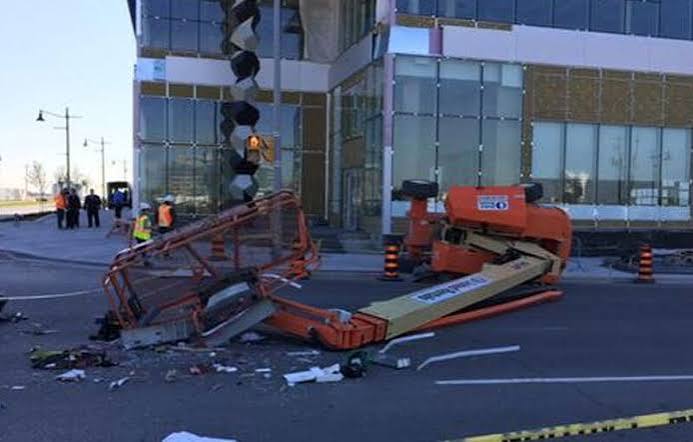
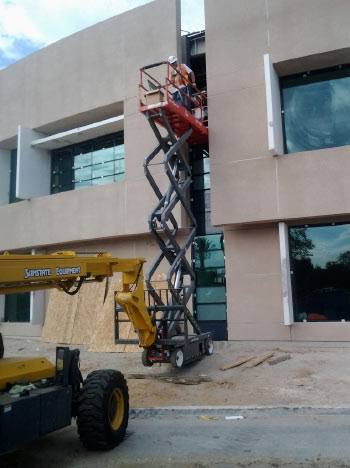
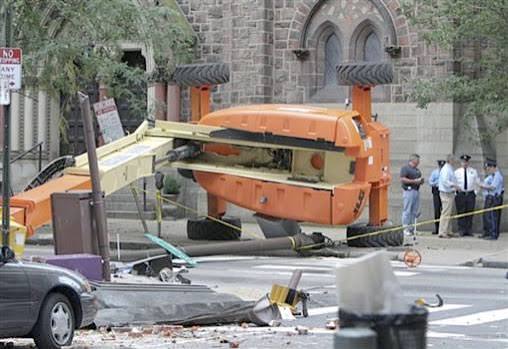
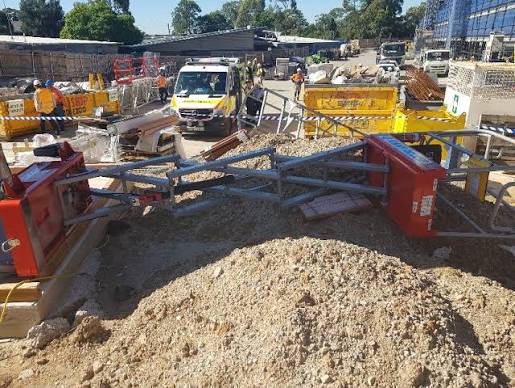
What should be considered in siting a Mobile Elevated Work Platform? (MEWP)
Safe MEWP siting involves assessing the work area before positioning a Mobile Elevating Work Platform, including ground stability, supporting surfaces, overhead and proximity hazards, environmental conditions, operating clearances and emergency-control access. The selected MEWP must also be suitable for the task and site conditions. If the machine or work location changes, the assessment should be reviewed.
Selecting the right Mobile Elevating Work Platform (MEWP) is only part of planning safe elevated work. Where and how the machine is positioned is also critical.
The Elevating Work Platform Association New Zealand (EWPA) has produced Industry Guidance – Siting, outlining key considerations for selecting and positioning a MEWP within a work environment.
The guidance highlights the importance of assessing the work area before a MEWP is positioned, including ground and structural conditions, proximity hazards, environmental conditions, operating clearances and access to emergency controls.
For EHL customers and businesses working with access equipment, these principles provide a useful reminder that safe MEWP operation begins with the site assessment.
What Should Be Considered in Siting your MEWP?
According to the EWPA guidance, several key factors should be considered when selecting and positioning a MEWP:
- Site conditions and hazards
- Ground and supporting surface conditions
- Nearby structures and other hazards
- Visibility and access
- Environmental conditions
- Operating clearances
- Access to emergency and ground controls
These factors should be considered alongside the requirements of the particular task and the capabilities of the machine being selected.
Ground Conditions Matter
One of the most important considerations is whether the supporting surface can safely carry the loads imposed by the MEWP.
The EWPA guidance specifically identifies recently disturbed ground, flood-prone areas, soft or waterlogged surfaces, excavations and embankments as conditions requiring particular attention.
Where necessary, measures such as mats, steel plates, timber sleepers or other load-spreading devices may be required to help maintain stability.
Identify Hazards Around the Work Area
A MEWP’s operating envelope can extend well beyond its footprint.
Before positioning the machine, potential hazards should be considered, including:
- Overhead power lines
- Buildings and structures
- Excavations
- Pedestrians and public access
- Vehicles and mobile equipment
- Temporary structures
- Openings and edges
- Other obstructions
The EWPA guidance also highlights the need to consider electromagnetic radiation and atmospheric contaminants where relevant.
Allow Enough Operating Clearance
A machine may physically fit into a work area without necessarily having enough room to operate safely.
The assessment should take into account the physical dimensions of the MEWP, access and travel routes, tail or boom swing, and platform access and egress.
This is particularly important when MEWPs are operating around buildings, structures, traffic routes or other equipment.
Weather and Environmental Conditions
Weather and environmental conditions can also influence MEWP operation.
The EWPA guidance recommends considering current and forecast conditions as part of the site assessment. Environmental considerations can also include noise, exhaust emissions, hydraulic fluids, lubricants, fuel, dust and other pollutants.
Don’t Forget Emergency Access
A MEWP should be positioned so that its ground and auxiliary controls remain accessible.
The guidance specifically states that sufficient clearance should be maintained to allow access to these controls in foreseeable operating positions and that obstructions should not restrict access.
This is an important consideration when working in confined spaces or close to buildings, structures, stored materials and other plant.
Selecting the Right MEWP
Safe siting starts with selecting a machine that is appropriate for the task.
The EWPA’s sample MEWP selection checklist considers factors including:
- Required working height
- Horizontal reach
- Up-and-over capability
- Number of people in the platform
- Personnel, tools, equipment and material loads
- Platform size and capacity
- Machine dimensions and mass
- Power source
- Terrain capability
- Machine configuration
The checklist also considers special hazards and safety requirements, including hazardous atmospheres, electromagnetic interference, operator competence, entrapment risks, fall protection and emergency rescue planning.
MEWP Siting Should Be Reassessed When Conditions Change
A MEWP site assessment isn’t necessarily a one-time exercise.
The EWPA guidance states that the assessment should cover the entire intended work area and should be reviewed when the MEWP is relocated or the work location changes.
Changing ground conditions, weather, traffic, work activities or surrounding hazards can all affect whether the original positioning remains appropriate.
A Useful Guide – Not a Replacement for Site-Specific Assessment
The EWPA document includes a MEWP Selection Site Checklist covering task requirements, access and workspace, ground conditions, environmental conditions, electrical hazards, machine selection, special hazards, safety requirements and final verification.
Importantly, EWPA states that the checklist is not exhaustive and is provided as guidance only. It should not be treated as a definitive resource or a replacement for a site-specific risk assessment.
EHL’s takeaway
For businesses using or specifying MEWPs, the key message is straightforward:
Choose the right machine, understand the task, assess the site and make sure the operating environment can safely accommodate the machine.
The Industry Guidance – Siting document provides a useful framework for considering these issues before work begins.
EHL – Supporting the Right Equipment for the Job
EHL works with specialised equipment and engineered solutions across a range of industrial applications.
Whether you are selecting, refurbishing, modifying, maintaining or deploying capital equipment, understanding the operating environment is an important part of achieving a safe and effective outcome.
Talk to EHL about your equipment requirements and how we can help you get more from your existing capital equipment.
SOURCE ACKNOWLEDGEMENT
Source and Further Reading
This article has been prepared with reference to:
Elevating Work Platform Association New Zealand Inc. – Industry Guidance – Siting
The document provides guidance on the selection and positioning of Mobile Elevating Work Platforms and includes a sample MEWP Selection Site Checklist.
The guidance references AS2550.10:2025 – Section 4, MEWP selection and control measures, and Silvercard – Using MEWPs Safely.
EHL recommends that users refer to the original guidance and applicable legislation, standards, manufacturer instructions and site-specific risk assessments relevant to their particular application.
FAQ
What is MEWP siting?
MEWP siting is the process of assessing the work area and positioning a Mobile Elevating Work Platform so that it is suitable for the task and operating environment. This includes considering ground conditions, hazards, clearances, environmental conditions and emergency-control access.
Why is MEWP site assessment important?
A MEWP site assessment helps identify hazards and determine whether the selected machine can be safely operated in the proposed location. The EWPA guidance identifies ground conditions, proximity hazards, environmental conditions and operating clearances as important considerations.
What ground conditions should be checked before using a MEWP?
Ground should be assessed for its ability to support the loads imposed by the machine. Soft or waterlogged ground, recently disturbed areas, flood-prone locations, excavations and embankments require particular consideration.
What hazards should be considered when positioning a MEWP?
Hazards can include overhead power lines, structures, excavations, pedestrians, vehicles, public access areas, temporary structures, openings, edges and other obstructions within the machine’s operating area.
How much space does a MEWP need?
The required space depends on the machine and the task. Consider the MEWP’s physical dimensions, access routes, tail and boom swing, and platform access and egress.
Does weather affect MEWP siting?
Yes. Current and forecast weather conditions should be considered when assessing a MEWP work area. Environmental factors should also be considered where they could affect the operation or surrounding environment.
Should a MEWP site assessment be repeated when the machine moves?
Yes. The EWPA guidance states that the assessment should be reviewed when the MEWP is relocated or the work location changes.
What is included in a MEWP selection checklist?
The EWPA sample checklist covers task requirements, access and workspace, ground conditions, environmental conditions, electrical hazards, machine selection, special hazards, safety requirements and final verification.
Is the EWPA MEWP checklist a substitute for a risk assessment?
No. The EWPA document specifically states that its checklist is guidance only, is not exhaustive and does not replace a site-specific risk assessment.
Who should assess whether a MEWP location is suitable? Where there is doubt about the safety of a proposed MEWP location, the EWPA guidance recommends seeking advice from a competent person