Designing Safer Access Systems at Sea: How EHL Supports End‑to‑End Gangway & Access Equipment Audits
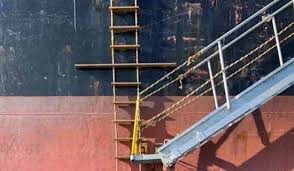
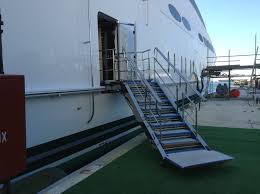
In the maritime industry, safety is often measured by the systems that perform quietly in the background—until something goes wrong. Among these, vessel access systems such as gangways, accommodation ladders, and shell doors play a critical role in daily operations, enabling the safe movement of crew and passengers between ship and shore. Yet, despite their importance, these systems are frequently under-prioritised until inspections reveal deficiencies or incidents force urgent action.
As vessels operate in increasingly demanding environments—with variable port conditions, evolving regulatory standards, and ongoing exposure to harsh marine elements—the risks associated with outdated or poorly maintained access equipment continue to grow. Structural fatigue, corrosion, manual handling hazards, and gaps in compliance can all contribute to unsafe conditions, operational disruptions, and costly delays.
This is where a proactive, engineering-led approach becomes essential. By treating access systems as critical assets rather than peripheral equipment, vessel owners and operators can significantly improve safety, efficiency, and long-term performance. In this blog, we explore how structured audit methodologies and modernisation strategies—such as those delivered by EHL—are transforming the way the industry manages marine gangways and access systems, turning potential risks into reliable, high-performing solutions.

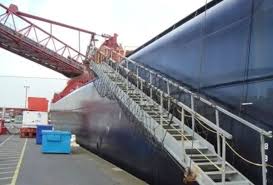
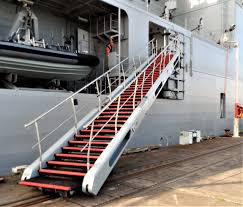
Safe, efficient transfer between vessel and shore is mission-critical across naval, commercial, and private fleets. Yet, gangways, accommodation ladders, and shell doors are frequently overlooked until inspection findings—or worse, incidents—force reactive intervention. A structured audit approach, backed by specialist expertise, can transform these assets from compliance liabilities into safety and operational enablers.
This is where EHL becomes a strategic partner: delivering technical audits, engineering guidance, and access to sector-leading systems that reduce risk, enhance efficiency, and enable the best outcomes for owners, managers, captains, and engineering teams.
The Risk Landscape: Why Audits Matter
Gangways and access systems interface directly with:
- Crew transfer operations
- Passenger embarkation/disembarkation
- Port infrastructure variability
- Environmental exposure (wind, swell, corrosion)
Common risk drivers include:
- Structural fatigue or corrosion not visible without inspection
- Outdated or non-compliant designs vs current class/regulatory expectations
- Manual handling hazards in legacy systems
- Inadequate safety interlocks or control systems
- Misalignment between vessel design changes and access equipment capability
Without a disciplined audit program, these risks translate into:
- Safety incidents (slips, collapses, falls)
- Port State Control findings
- Operational delays
- Increased insurance and lifecycle costs
EHL Audit Methodology: A Technical Framework
EHL approaches audits with a systems engineering mindset, combining field inspection, load analysis, and compliance evaluation. The outcome is not just a report—but a clear, actionable pathway.
1. Asset Identification & Classification
Each access system is mapped and categorized:
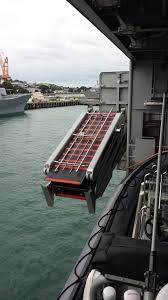
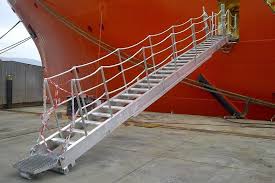
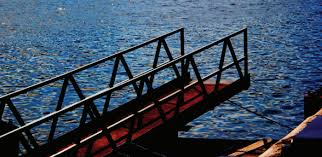
- Gangways (manual, hydraulic, telescopic)
- Accommodation ladders
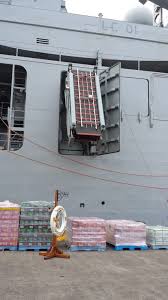
- Shell doors and integrated access interfaces
- Mobile vs fixed systems
- Vessel-mounted vs port-based systems
This classification ensures tailored evaluation criteria aligned to usage and design intent.
2. Structural & Mechanical Assessment
Detailed inspection includes:
- Load-bearing components (beams, trusses, pivots)
- Weld integrity and corrosion mapping
- Pin, hinge, and joint wear analysis
- Hydraulic systems (if applicable): leakage, pressure stability, redundancy
- Deployment mechanisms and locking systems
Where needed, EHL integrates:
- Finite element reasoning (where documentation exists or can be reconstructed)
- Measured deflection verification under operational conditions
3. Functional Safety Review
EHL evaluates:
- Guardrails and fall protection compliance
- Anti-slip surfaces and drainage effectiveness
- Emergency stop and fail-safe systems
- Manual override procedures
- Ergonomic handling risks
Special focus is placed on:
- Human factors in crew-operated systems
- Safe use under variable environmental conditions
4. Regulatory & Classification Alignment
Audits benchmark equipment against:
- Class society requirements (DNV, Lloyd’s, ABS, etc.)
- IMO and SOLAS expectations where applicable
- Port authority operational requirements
EHL’s value lies in translating regulatory language into practical engineering decisions, avoiding overdesign while ensuring compliance resilience.
5. Lifecycle & Maintenance Gap Analysis
EHL assesses:
- Maintenance schedules vs actual condition
- Spare parts availability and obsolescence
- Reliability trends
- Existing documentation completeness
The result:
- A prioritized maintenance roadmap
- Identification of “hidden failure risks”
- Long-term cost optimization strategies
Beyond Audit: Engineering Solutions & Modernization
EHL does not stop at diagnosis. The next step is implementation guidance and system upgrade pathways.
Upgrade Options Include:
- Retrofitting automation into manual gangways
- Replacing aging units with modern load-compliant systems
- Integrating smart control and monitoring systems
- Enhancing structural strength without major vessel modification
- Introducing mobile or modular solutions for operational flexibility
Access to Sector-Leading Solutions
EHL connects clients to a full spectrum of industry-leading gangways and accommodation ladders, including:
Configuration Options:
- Manual systems (lightweight, reliable, low maintenance)
- Fully automated hydraulic solutions
- Fixed installations for high-frequency operations
- Mobile gangways for port flexibility
- Vessel-mounted designs
- Shore-based / port-integrated access systems
Each solution is selected based on:
- Vessel type and operational profile
- Frequency of use
- Environmental conditions
- Crew capability and safety requirements
Application Across the Vessel Lifecycle
One of EHL’s key advantages is flexibility across all stages:
✅ New Builds & Design Phase
- Specification development
- OEM selection support
- Design integration to avoid future retrofit costs
✅ Under Construction
- Verification against design intent
- QA/QC inspections
- Early defect identification
✅ Refit & Upgrade
- Replacement strategy development
- Integration with existing vessel constraints
- Performance improvement and compliance updates
✅ Mid-Life Vessels
- Risk reduction audits
- Targeted upgrades instead of full replacement
- Lifecycle extension strategies
Outcomes: What Clients Gain
Partnering with EHL delivers measurable impact:
Risk Reduction
- Early identification of structural or operational hazards
- Reduced likelihood of incidents and operational disruptions
Improved Safety Culture
- Clear guidance for crews and engineering teams
- Safer, more intuitive systems
Operational Efficiency
- Faster crew and passenger transfers
- Reduced downtime and maintenance inefficiencies
Cost Optimization
- Avoidance of reactive repairs
- Smarter capital investment decisions
Compliance Confidence
- Audit-ready systems aligned with class and port expectations
The EHL Difference: Engineering Partnership
EHL is not just a supplier—it is a technical partner focused on:
- Practical engineering solutions
- Real-world vessel constraints
- Long-term performance, not short-term fixes
The philosophy is simple:
Reduce risk. Improve efficiency. Deliver the best outcomes for owners, managers, captains, and engineering teams.
Final Thoughts
Access systems are often underestimated—but they sit at the intersection of safety, compliance, and daily operations. A proactive audit and modernization strategy transforms them from a risk into a strategic asset.
Whether your vessel is naval, commercial, or private, and whether it is:
- In design
- Under construction
- Undergoing refit
- Or mid-way through its lifecycle
EHL provides the expertise, solutions, and partnership to ensure your crew gets onboard—and home—safely, efficiently, and confidently every time.
Contact our Maritime specialist team today: solutions@ehlsolutions.com