Supporting LNG Infrastructure at Port Taranaki: A Deep Dive into Where EHL Can Deliver Technical Value
As New Zealand looks to strengthen energy security and improve supply flexibility, proposed LNG import and firming infrastructure at Port Taranaki represents a significant step forward. Delivering facilities of this scale and technical complexity requires a combination of advanced engineering, specialist fabrication, and highly skilled field execution.
EHL brings exactly this capability—combining global expertise in piping, mechanical systems, and industrial gases such as nitrogen and oxygen, with a proven, locally based workforce in Taranaki. From early-stage design through to commissioning and long-term operations, EHL is well positioned to support every phase of LNG infrastructure development.
This article explores how EHL’s technical strengths, oil and gas experience, and regional presence align with the demands of these proposed projects, and where the business can deliver measurable value across the full project lifecycle.
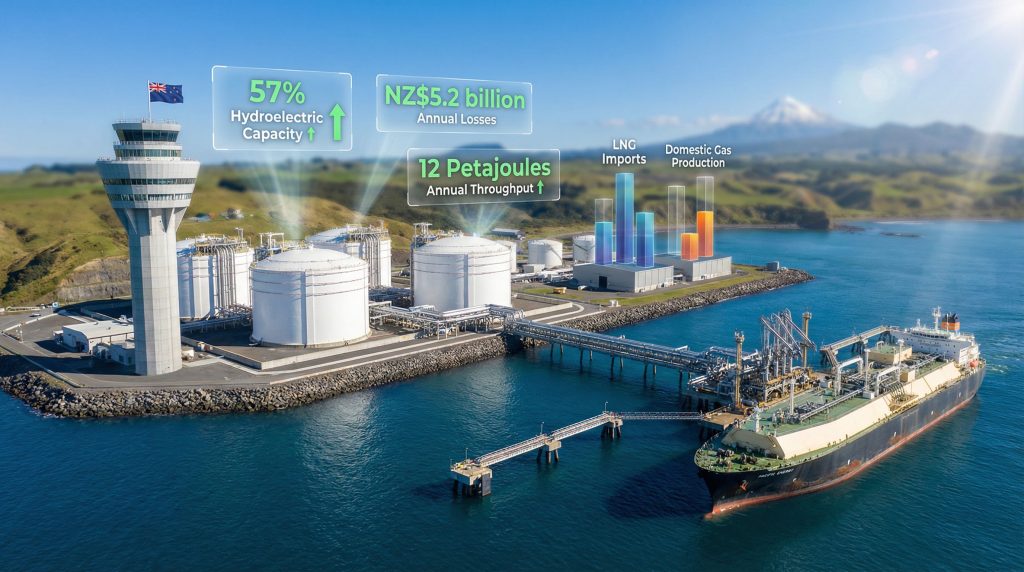
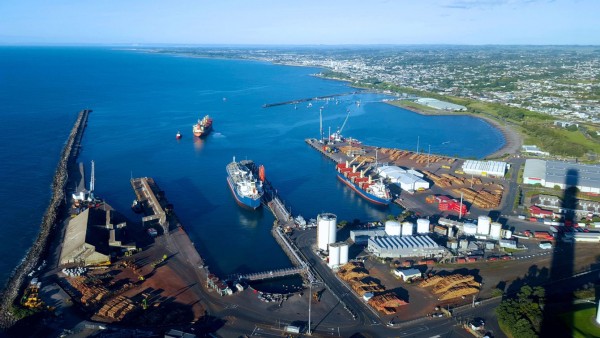
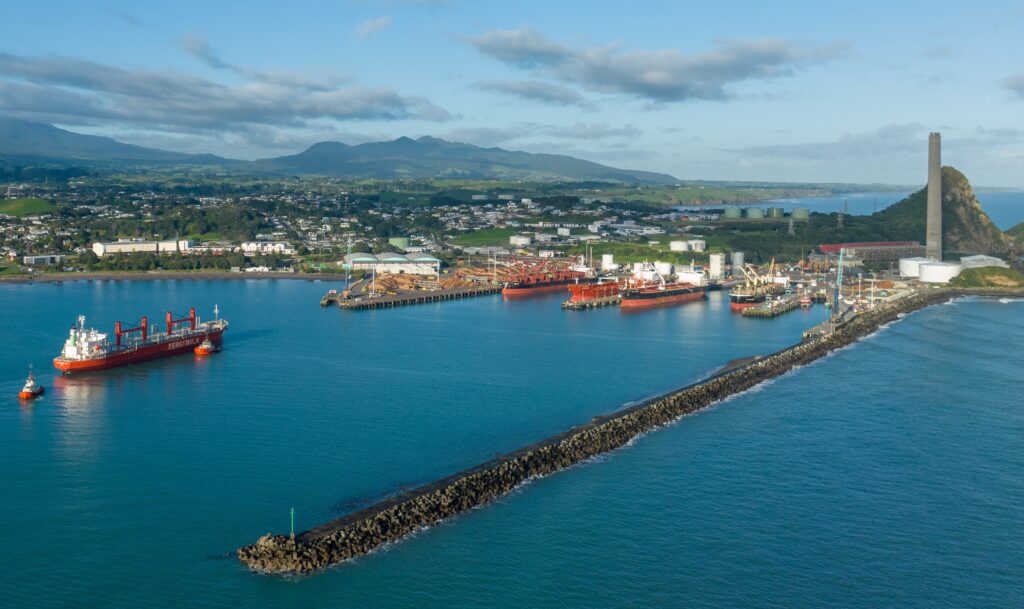
As New Zealand’s energy system adapts to increasing variability in supply and demand, the role of flexible gas infrastructure is becoming more critical. Proposed in-port LNG import and firming facilities at Port Taranaki represent a strategic response to these challenges—enhancing energy security, supporting peak demand requirements, and enabling resilience across the energy network.
Delivering such complex infrastructure requires multidisciplinary engineering capability, specialised fabrication expertise, and highly skilled field execution. EHL’s combination of global experience and a strong operational base in Taranaki positions the company to contribute meaningfully across every stage of the project lifecycle.
This article explores, in technical detail, how EHL’s capabilities—particularly in piping, mechanical engineering, and industrial gas systems (oxygen and nitrogen)—align with the demands of LNG infrastructure development.
LNG Import and Firming Facilities: Technical Systems Overview
An LNG import and firming facility is a highly integrated system involving cryogenic, high-pressure, and hazardous-area engineering. Core systems typically include:
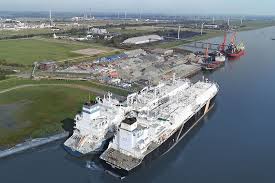
Marine Offloading Systems
- Cryogenic unloading arms or flexible hoses
- Ship-to-shore transfer piping
- Emergency Shutdown (ESD) integration systems
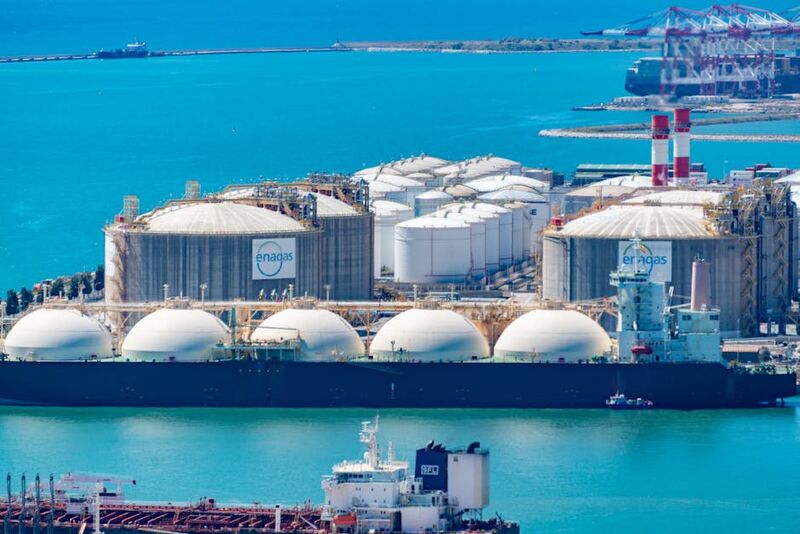
LNG Storage Infrastructure
- Full containment or modular storage tanks
- Insulated piping systems designed for temperatures as low as -162°C
- Tank pressure control and boil-off gas (BOG) management systems
Regasification Systems
- Vaporizers (Open Rack, Ambient Air, or Submerged Combustion Vaporizers)
- Heat exchange systems and associated utilities
- Gas conditioning and metering skids
Send-Out and Pipeline Integration
- High-pressure gas transmission pipelines
- Compressor stations
- Custody transfer metering systems
Utility and Safety Systems
- Nitrogen generation and distribution systems (critical for inerting)
- Oxygen monitoring and control systems
- Fire and gas detection, deluge systems, and hazardous area protections
Each subsystem requires precision engineering, specialised materials selection, strict compliance with codes (e.g., ASME, API), and robust QA/QC—areas where EHL has demonstrated capability.
Lifecycle Contribution: Where EHL Can Add Value
1. Concept Development & FEED
In the early phases, project feasibility and design optimisation are critical.
EHL Technical Contributions
- Piping System Design: Development of cryogenic piping layouts considering thermal contraction, expansion loops, and stress tolerances
- Material Selection: Specification of stainless steels, nickel alloys, and low-temperature carbon steels suitable for LNG service
- Process Integration: Designing nitrogen purging systems for safe commissioning and shutdown scenarios
- Hazardous Area Design: Classification and equipment selection aligned with IECEx/ATEX standards
Key Value
EHL integrates global engineering standards with local constructability insights, ensuring designs are practical for Port Taranaki’s marine and environmental conditions.
2. Detailed Engineering & Procurement Support
As engineering progresses, precision in documentation and supplier coordination becomes essential.
EHL Capabilities
- Isometric drawing development and 3D piping modelling
- Valve, flange, and gasket specification for cryogenic and high-pressure conditions
- Interface management between process systems and utilities (especially nitrogen systems)
- QA/QC frameworks for fabrication and installation
Nitrogen and Oxygen Integration
- Designing distributed nitrogen networks for:
- Pipeline purging
- Tank inerting
- Leak testing
- Oxygen monitoring systems to ensure safe entry conditions and detect hazardous atmospheres
3. Fabrication & Modularisation
Modular construction can significantly reduce site congestion and improve safety outcomes.
EHL Fabrication Strengths
- Workshop fabrication of high-spec pipe spools
- Cryogenic weld procedures and testing (RT, UT, hydrostatic testing)
- Pre-assembled skid packages for:
- Nitrogen distribution systems
- Utility piping modules
- Insulated piping systems prepared for rapid installation
Technical Advantage
Local fabrication in Taranaki reduces transport complexity and enables faster turnaround, while maintaining strict quality control.
4. Construction & Installation
On-site execution is one of the most technically demanding phases, particularly in live port environments.
EHL Field Services
- Installation of cryogenic piping systems with precision alignment
- Mechanical installation of LNG process equipment (vaporizers, compressors)
- Integration of gas systems:
- Nitrogen lines for purging and blanketing
- Oxygen-compatible systems where required
- Structural and mechanical support services (including scaffolding and access)
Safety Focus
- Strict adherence to LNG safety protocols
- Implementation of isolation, purging, and gas-freeing procedures
- Experienced technicians accustomed to high-risk industrial environments
5. Commissioning & Start-Up
Commissioning LNG infrastructure requires a deep understanding of system interactions and gas handling.
EHL Commissioning Expertise
- Nitrogen Purging & Inerting
- Removal of oxygen from pipelines to prevent explosion risk
- Controlled introduction of LNG systems
- Pressure Testing & Leak Detection
- Cold Commissioning
- Gradual introduction of cryogenic temperatures to prevent material stress failure
- Gas Analysis & Monitoring
- Ensuring safe oxygen levels during system startup
Why It Matters
Improper commissioning can lead to equipment damage or safety incidents—EHL’s expertise ensures a controlled and compliant startup.
6. Operations, Maintenance & Asset Integrity
Once operational, LNG facilities demand continuous maintenance and inspection.
EHL Ongoing Support
- Preventative maintenance on piping and mechanical systems
- Corrosion monitoring and inspection programs
- Calibration and servicing of nitrogen and oxygen systems
- Shutdown and turnaround support
Local Advantage
EHL’s established presence in Taranaki enables rapid mobilisation and consistent support—critical for minimising downtime.
The Critical Role of Industrial Gas Systems
Nitrogen Systems
Nitrogen is fundamental to LNG operations:
- Inerting storage tanks and pipelines to eliminate flammable atmospheres
- Purging systems prior to maintenance
- Pressure testing and leak detection
Oxygen Systems
While less prominent, oxygen systems play key roles:
- Monitoring atmospheric safety in confined spaces
- Supporting combustion processes in certain vaporization systems
- Providing safety assurance during maintenance and entry procedures
EHL’s experience in designing and installing these systems ensures compliance, safety, and operational efficiency.
EHL’s Proven Experience in the Oil and Gas Sector
EHL’s ability to support LNG import and firming infrastructure is underpinned by extensive experience across the oil and gas sector—both regionally in Taranaki and through broader global exposure to complex energy projects.
Deep Regional Experience in Taranaki
Taranaki has long been the centre of New Zealand’s oil and gas industry, and EHL has built a strong presence supporting:
- Upstream production facilities
- Gas processing plants
- Pipeline infrastructure and distribution networks
- Petrochemical and energy-intensive industrial sites
EHL’s technicians, engineers, and tradespeople are highly familiar with the operating conditions, regulatory environment, and safety expectations of the region. This includes working within live hydrocarbon environments, where strict isolation, permitting, and hazard management practices are essential.
Core Oil and Gas Capabilities
EHL’s service offering aligns closely with the technical requirements of LNG infrastructure, including:
Piping and Mechanical Systems
- Design, fabrication, and installation of high-pressure and hazardous-service piping systems
- Experience with carbon steel, stainless steel, duplex, and specialty alloys
- Maintenance and integrity management of ageing pipeline assets
Gas Handling Systems
- Installation and commissioning of nitrogen systems for purging and inerting
- Oxygen monitoring and safety system integration
- Pressure testing, leak detection, and system validation
Shutdowns and Turnarounds
- Execution of planned outages with tight time constraints
- Mechanical maintenance, piping replacement, and inspection work
- Coordination with operations teams to minimise downtime
Field Services in Live Environments
- Brownfield modifications and tie-ins
- Working within confined spaces and hazardous zones
- Implementation of robust safety systems and procedures
Alignment with LNG Infrastructure Requirements
The technical demands of LNG facilities are a natural extension of traditional oil and gas operations, particularly in areas such as:
- Process piping under extreme conditions (cryogenic vs high-temperature hydrocarbon service)
- Gas compression, metering, and transfer systems
- Strict safety and compliance regimes
- Complex commissioning processes involving inerting and gas introduction
EHL’s experience in oil and gas provides a strong foundation for these requirements, with many of the same engineering principles, materials, and operational practices directly transferable to LNG applications.
Experience Across the Asset Lifecycle
EHL has supported oil and gas clients through all stages of asset development and operation:
- Greenfield projects: Fabrication, installation, and commissioning of new facilities
- Brownfield upgrades: System expansions, retrofits, and efficiency improvements
- Operations support: Maintenance, inspection, and reliability services
- Decommissioning and remediation: Safe shutdown and dismantling of infrastructure
This lifecycle experience mirrors the needs of LNG import and firming facilities, reinforcing EHL’s ability to provide continuity from initial design through to long-term operation.
A Workforce Built on Industry Experience
EHL’s Taranaki-based workforce includes:
- Qualified engineers and project managers
- Certified welders and pipefitters experienced in high-spec work
- Mechanical technicians and commissioning specialists
- Safety-focused supervisors with deep industry knowledge
Many of these professionals have spent years working in the oil and gas sector, bringing practical, hands-on expertise that is critical to delivering complex energy infrastructure safely and efficiently.
Delivering Confidence for Future Energy Projects
EHL’s track record in oil and gas demonstrates:
- The ability to meet stringent technical and safety standards
- Proven delivery in demanding operational environments
- Strong collaboration with asset owners, operators, and contractors
This experience provides confidence that EHL can successfully support the next generation of energy infrastructure at Port Taranaki—bridging traditional oil and gas capability with emerging LNG requirements.
EHL’s Strategic Advantage: Global Expertise, Local Strength
EHL brings a unique combination of:
- Global engineering knowledge aligned with LNG industry standards
- Highly experienced Taranaki-based workforce
- Established fabrication and workshop infrastructure
- Field-proven technicians with energy sector experience
This dual capability ensures:
- Seamless project execution
- Reduced reliance on offshore resources
- Strong contribution to local employment and skills development
Enabling Energy Security and Regional Growth
The proposed LNG infrastructure at Port Taranaki is not just a technical project—it is a strategic investment in New Zealand’s energy resilience.
EHL’s involvement would support:
- Reliable energy supply during peak demand and supply disruptions
- Local job creation for skilled trades, engineers, and technicians
- Development of regional capability aligned with future energy projects
Conclusion
From early-stage engineering through to long-term operations, EHL offers a comprehensive suite of capabilities tailored to the complex demands of LNG import and firming infrastructure.
With deep expertise in piping, mechanical systems, and industrial gas networks—including nitrogen and oxygen—combined with a strong Taranaki presence, EHL is well positioned to support the successful delivery of these critical energy assets.
As momentum builds around Port Taranaki’s LNG proposals, EHL stands ready to contribute technical excellence, local capability, and a commitment to safe, high-quality outcomes.
Contact our Engineering team : solutions@ehlsolutions.com