Securing Industrial Gas Supply: Why Localised Generation is Becoming Critical for Modern Operations
The Growing Risk of External Gas Supply Dependence
Across multiple industries, oxygen and nitrogen are no longer just consumables—they are mission-critical utilities. From water treatment and healthcare to manufacturing, mining, and food processing, uninterrupted gas supply underpins operational continuity, safety, and compliance.
However, reliance on delivered gas cylinders or bulk liquid supply is becoming increasingly problematic. Businesses are facing:
- Rising delivery costs driven by fuel price volatility
- Supply chain disruptions impacting availability and lead times
- Increased demand pressure across global industrial markets
- Logistical constraints in remote or high-demand regions
Recent global events and ongoing geopolitical and economic shifts have exposed a fundamental issue: external supply chains are inherently fragile. Delays, shortages, and cost escalations are no longer exceptions—they are becoming part of standard operating conditions.
For organisations operating critical processes, this introduces unacceptable risk.
Why 24/7 Gas Supply Security is Non-Negotiable
Many industrial and essential service applications cannot tolerate interruptions in gas supply. Even short-term disruptions can result in:
- Production downtime and financial loss
- Compromised safety systems
- Regulatory non-compliance
- Damage to equipment or product quality
Applications such as municipal water treatment, hospitals, mining operations, food procesing / packaging, and continuous manufacturing processes require guaranteed, uninterrupted gas availability.
Delivered supply models—dependent on transport schedules, storage levels, and third-party logistics—introduce multiple points of failure. In contrast, onsite gas generation provides continuous, autonomous production, ensuring gas is available whenever it is required.
The Cost Pressure: Fuel, Logistics, and Hidden Expenses
The true cost of delivered gas extends well beyond the unit price of oxygen or nitrogen. Businesses must also absorb:
- Transport and fuel surcharges
- Cylinder rental and handling fees
- Storage infrastructure and compliance costs
- Losses from venting, leakage, or evaporation (in cryogenic systems)
- Administrative overhead and supplier dependency
With fuel prices remaining volatile and freight costs trending upward, these expenses are expected to increase further over time.
Onsite gas generation fundamentally changes the cost model. By producing gas from electricity and compressed air, organisations gain:
- Predictable, stable input costs
- Reduced exposure to fuel and logistics pricing
- Lower total cost of ownership over the system lifecycle
Localised Gas Generation: A Strategic Shift
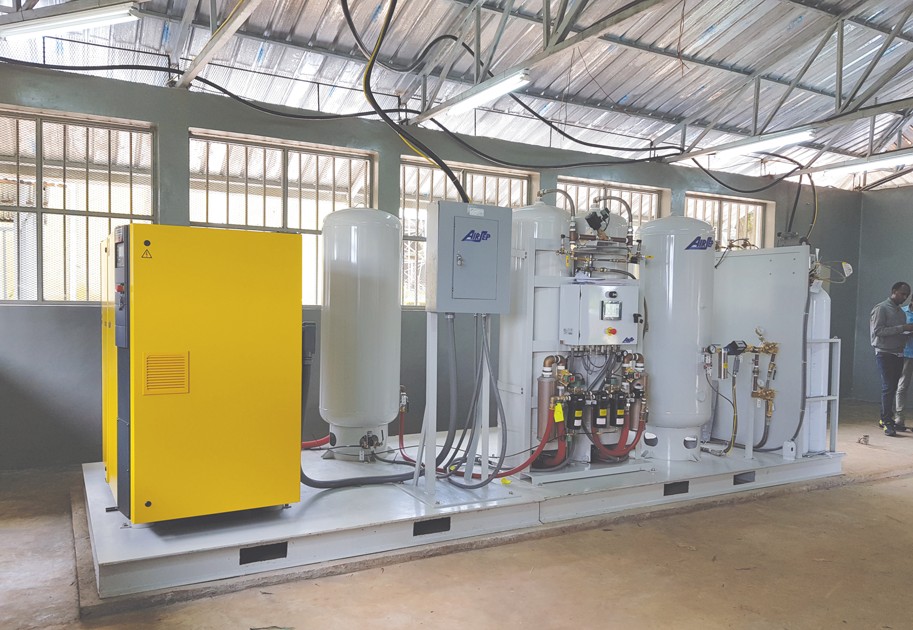
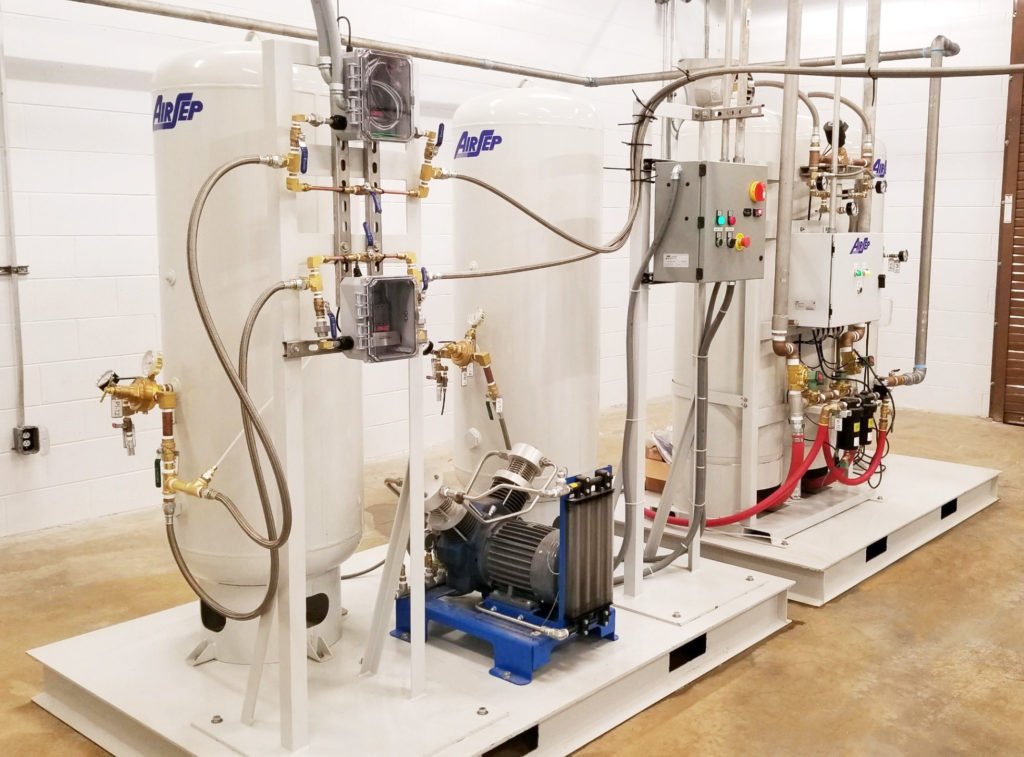
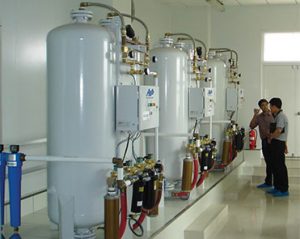
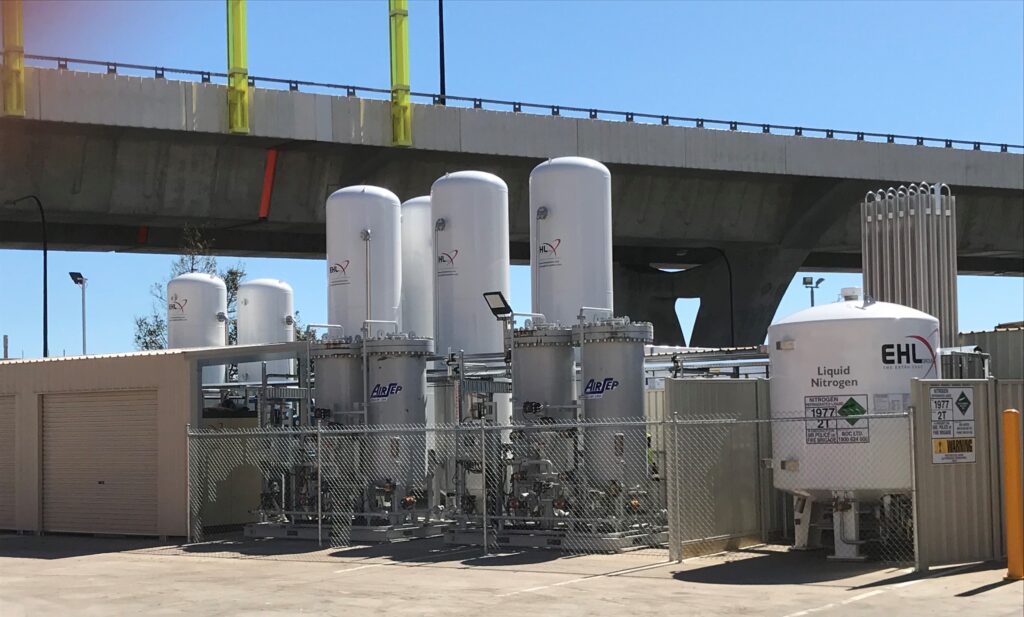
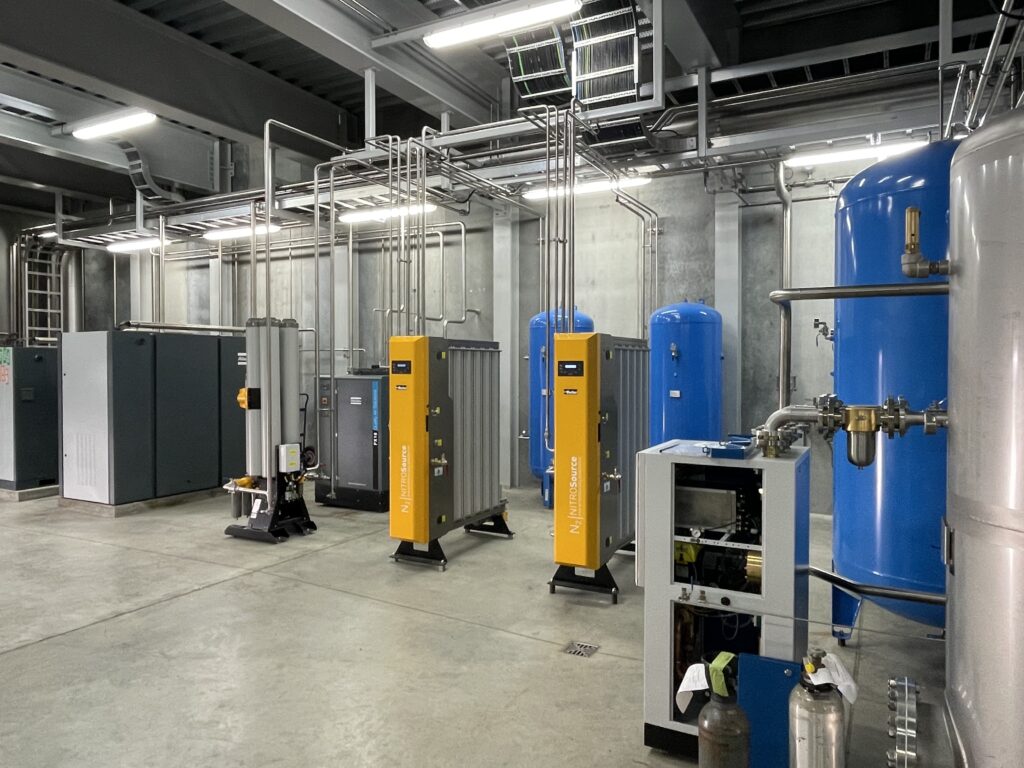
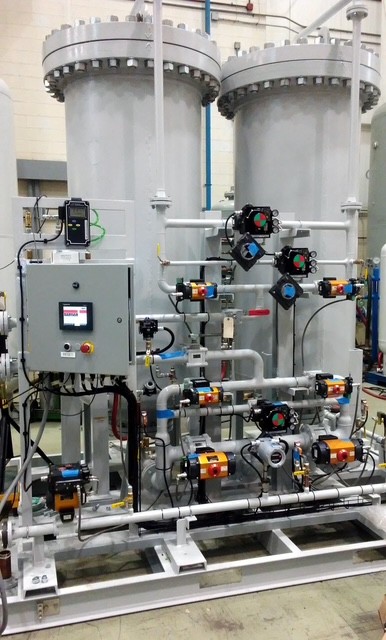
Localised EHL oxygen and nitrogen generation systems allow businesses to bring gas production in-house, transforming supply from a variable operational expense into a controlled utility.
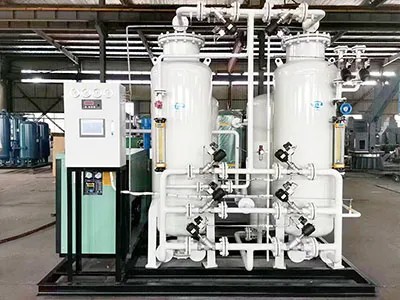
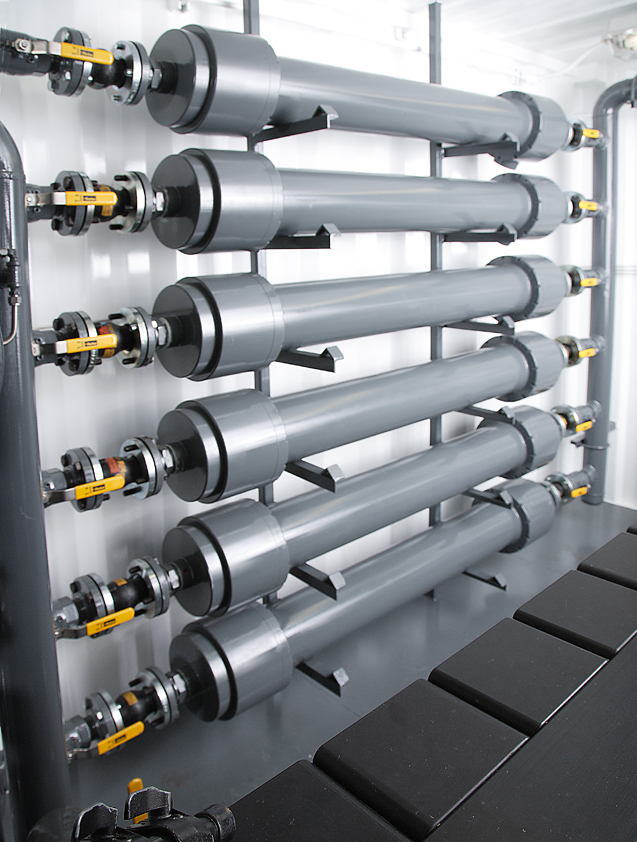
Using proven non-cryogenic technologies such as Pressure Swing Adsorption (PSA), Vacuum Pressure Swing Adsorption (VPSA), and membrane systems, facilities can generate gas on demand, at required purity levels, and matched to consumption rates.
This approach eliminates dependence on external delivery networks and provides full control over production, storage, and usage.
Key Benefits of Locslised Oxygen and Nitrogen Generation
1. Supply Security and Operational Continuity
Onsite generation ensures a continuous, 24/7 gas supply, removing the risk of delivery delays or shortages. This is particularly critical for essential services and continuous production environments.
2. Cost Certainty and Reduction
By eliminating delivery, rental, and logistics costs, businesses gain predictable operating expenses tied primarily to electricity usage. Over time, this results in significant cost savings compared to delivered gas.
3. Independence from Volatile Supply Chains
Generating gas onsite removes exposure to external disruptions, including fuel price fluctuations, transport constraints, and supplier availability issues.
4. Improved Safety and Risk Reduction
Reducing or eliminating stored cylinders and cryogenic liquids lowers the risks associated with handling, transport, and high-pressure storage.
5. Environmental Benefits
Onsite systems significantly reduce carbon emissions by eliminating frequent delivery transport and improving energy efficiency.
6. Scalability and Flexibility
Systems can be engineered to match current demand and expanded as operational requirements grow, ensuring long-term adaptability.
Future Outlook: Increasing Pressure on Gas Supply Models
Looking ahead, several trends indicate that reliance on delivered gas will become even more challenging:
- Continued fuel cost volatility impacting transport pricing
- Increasing regulatory pressure on emissions and logistics
- Growing global demand for industrial gases
- Supply chain constraints driven by infrastructure and geopolitical factors
At the same time, industries are placing greater emphasis on resilience, sustainability, and cost control—all of which align strongly with onsite generation strategies.
Businesses that proactively transition to onsite gas production are better positioned to mitigate future risks, maintain operational stability, and control long-term costs.
Conclusion: From Dependency to Control
The shift toward onsite oxygen and nitrogen generation is not simply a technological upgrade—it is a strategic operational decision.
In an environment where supply reliability, cost certainty, and resilience are becoming critical business priorities, onsite generation offers a clear pathway to:
- Eliminate supply uncertainty
- Stabilise operating costs
- Enhance safety and sustainability
- Maintain continuous operations in critical environments
For organisations reliant on oxygen or nitrogen, the question is no longer if onsite generation is viable—but when it becomes essential.
www,ehlsolutions.com
Email our Gas Generation specialists at: solutions@ehlsolutions.com