Take Control of Your Nitrogen Supply: A Better Way for Breweries, Distilleries and Wineries
Why On-Site Nitrogen Generation is Better Than Buying Gas Bottles
Introduction
Nitrogen has become an essential utility across craft breweries, micro-distilleries, and wineries. From protecting products against oxidation to purging tanks, blanketing vessels, packaging, and transferring liquids, nitrogen plays a critical role in maintaining product quality and consistency.
Traditionally, many beverage producers have relied on high-pressure gas cylinders or bulk liquid nitrogen deliveries. While these supply methods have been the industry standard for decades, they introduce significant operational challenges, including escalating costs, supply chain dependence, safety concerns, and environmental impacts.
Today, advances in Pressure Swing Adsorption (PSA) and membrane-based nitrogen generation technologies allow producers to manufacture high-purity nitrogen on-site, giving complete control over their nitrogen supply while reducing operating expenses and supporting sustainability goals.
This article explores why on-site nitrogen generation has become the preferred solution for craft breweries, micro-distilleries, and wineries seeking greater efficiency, quality assurance, and long-term profitability.
Understanding Nitrogen’s Role in Beverage Production
Before examining the benefits of nitrogen generation, it is important to understand why nitrogen is so widely used across beverage production environments.
Nitrogen is an inert gas, meaning it does not readily react with beverages or ingredients. This characteristic makes it ideal for:
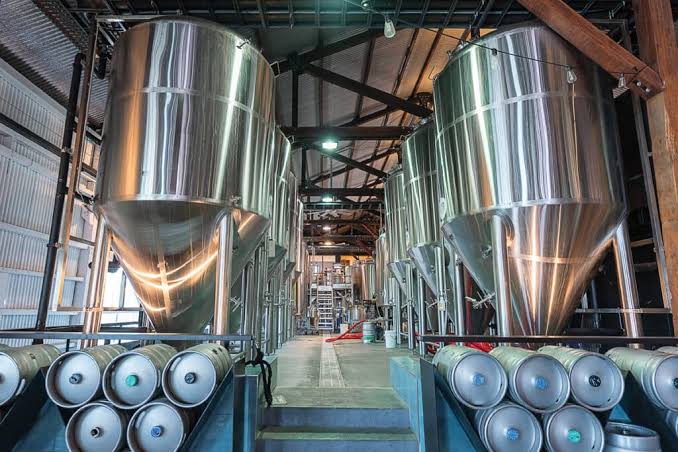
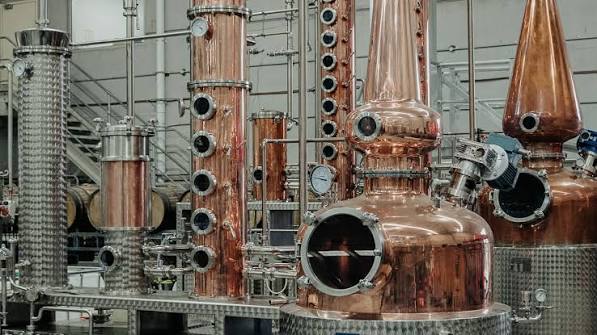
- Tank blanketing
- Purging tanks and pipework
- Barrel storage protection
- Packaging operations
- Product transfers
- Sparkling wine production
- Nitrogenated beverages
- Headspace management in bottles and cans
- Oxygen displacement
The primary purpose of nitrogen is to minimise oxygen exposure. Even small amounts of oxygen can negatively impact flavour, aroma, colour, and shelf life.
For premium beverage manufacturers, maintaining oxygen control is not merely a quality objective but a brand protection strategy.
The Problem with Gas Bottles and Bulk Deliveries
Many operators accept gas cylinders as a normal operating expense without considering the hidden costs.
These often include:
Direct Costs
- Cylinder rental fees
- Delivery charges
- Emergency call-out fees
- Fuel surcharges
- Administration costs
- Supplier price increases
Operational Challenges
- Running out of gas unexpectedly
- Delayed deliveries
- Storage requirements
- Inventory management
- Production interruptions
Safety Risks
High-pressure cylinders store gas at pressures exceeding 200 bar.
This creates risks associated with:
- Cylinder handling
- Incorrect storage
- Valve damage
- Manual movement injuries
- Gas leaks
As production volumes grow, these challenges become increasingly significant.
What is an On-Site Nitrogen Generation Unit?
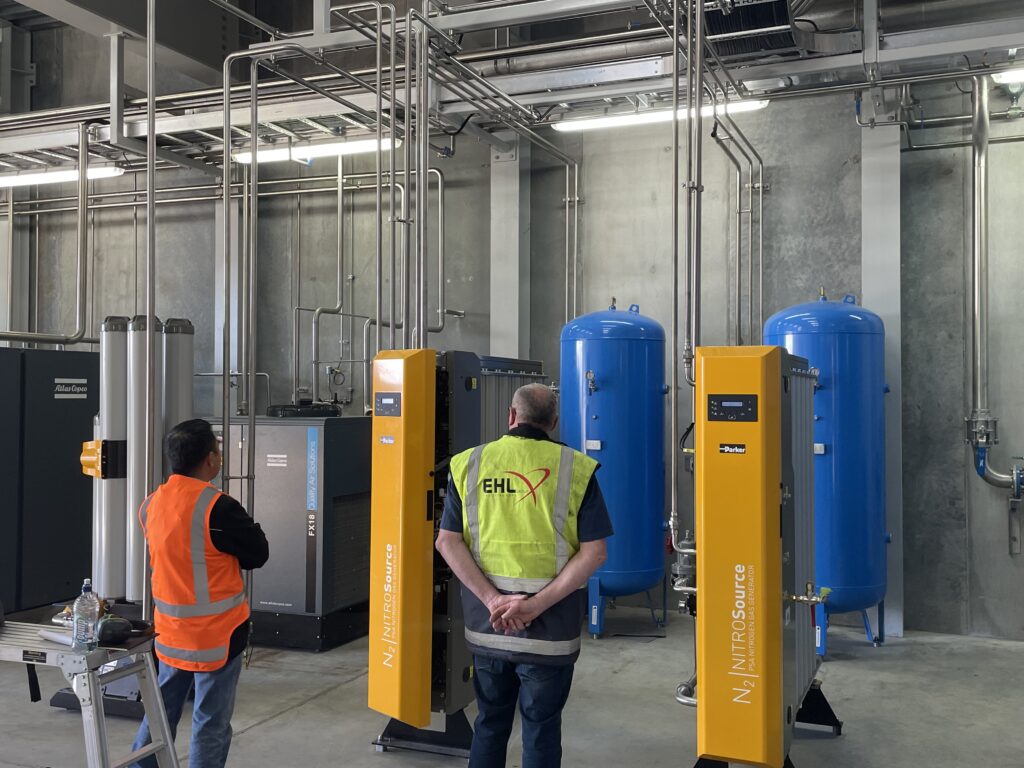
An on-site nitrogen generator produces nitrogen from compressed air.
The process typically uses either:
Pressure Swing Adsorption (PSA)
PSA technology separates nitrogen from oxygen using Carbon Molecular Sieve (CMS) material.
Key characteristics:
- Purity levels up to 99.999%
- Suitable for demanding beverage applications
- Consistent gas quality
- Highly reliable operation
Membrane Technology
Membrane systems separate gases using selective permeation through hollow fibre membranes.
Advantages include:
- Simple design
- Lower maintenance requirements
- Compact footprint
- Continuous gas production
In both cases, the generator is connected directly to the facility’s compressed air system and produces nitrogen whenever it is required.
Effectively, it transforms nitrogen from a purchased consumable into an on-demand utility.
Advantage 1: Complete Control of Supply
One of the most significant benefits of nitrogen generation is independence from external suppliers.
With bottled nitrogen:
- Supply disruptions can halt production.
- Logistics issues can affect availability.
- Holiday periods may impact deliveries.
- Emergency requirements attract premium pricing.
With an on-site generator:
- Nitrogen is available 24/7.
- Production schedules remain unaffected.
- Growth can be accommodated without waiting for supplier capacity.
- Operators maintain complete control over gas availability.
For breweries operating during peak seasons or wineries during vintage, uninterrupted access to nitrogen provides valuable operational security.
Advantage 2: Significant Cost Savings
Nitrogen generators commonly deliver payback periods between 12 and 36 months depending on gas consumption.
Savings are achieved through the elimination of:
- Cylinder rental charges
- Delivery fees
- Bulk storage costs
- Logistics expenses
- Emergency gas purchases
Instead, facilities pay only for:
- Electricity
- Compressed air generation
- Routine maintenance
For businesses using nitrogen daily, the lifetime savings can be substantial.
Many craft beverage producers discover nitrogen is one of the easiest operating expenses to reduce without compromising quality.
Advantage 3: Improved Product Quality
Product quality is the foundation of every successful brewery, distillery, and winery.
Oxidation remains one of the largest threats to:
- Beer freshness
- Wine stability
- Spirit maturation integrity
On-site generation enables operators to use nitrogen more freely because gas is effectively produced on demand.
This often results in:
Better Purging Practices
More effective removal of oxygen from vessels and pipelines.
Enhanced Tank Blanketing
Consistent inert atmospheres that protect sensitive products.
Improved Packaging Performance
Reduced dissolved oxygen levels in bottles and cans.
Greater Batch Consistency
Reliable nitrogen availability encourages standardised operating procedures.
The result is longer shelf life, improved flavour retention, and enhanced customer satisfaction.
Advantage 4: Environmental Sustainability
Sustainability has become a key priority across the beverage industry.
Traditional bottled nitrogen creates a surprisingly large carbon footprint.
The environmental impact includes:
- Gas production and processing
- Cylinder filling
- Transport emissions
- Multiple delivery journeys
- Cylinder returns
- Storage infrastructure
An on-site nitrogen generator dramatically reduces transportation requirements.
Benefits include:
Reduced Vehicle Emissions
Fewer delivery trucks travelling to site.
Lower Carbon Footprint
Elimination of repeated cylinder transport and handling.
Improved Resource Efficiency
Nitrogen is created from ambient air using existing site utilities.
Support for ESG Objectives
Businesses can demonstrate measurable sustainability improvements.
For brands promoting environmentally responsible production, nitrogen generation aligns directly with corporate sustainability goals.
Advantage 5: Enhanced Workplace Safety
Gas cylinders are among the most common industrial hazards in manufacturing facilities.
Potential risks include:
- High-pressure release events
- Manual handling injuries
- Cylinder tipping
- Regulator failures
- Incorrect storage practices
A fixed nitrogen generator significantly reduces these risks.
Benefits include:
- Reduced manual handling
- Lower storage demands
- Fewer forklift movements
- Improved workplace organisation
- Reduced exposure to high-pressure cylinders
This contributes to a safer production environment and supports workplace health and safety initiatives.
Advantage 6: Scalability for Business Growth
Many breweries, distilleries, and wineries start with a small nitrogen demand that increases over time.
Bottle supply can become increasingly inefficient as production expands.
Generators can be designed to:
- Meet current demand
- Accommodate future expansion
- Support additional packaging lines
- Serve new fermentation tanks
- Handle seasonal production peaks
This scalability eliminates the need for continual adjustments to gas procurement strategies.
Advantage 7: Consistent Nitrogen Purity
Gas quality consistency is critical in beverage production.
Modern nitrogen generators offer:
- Stable purity levels
- Continuous monitoring
- Automatic performance control
- Reliable flow rates
This consistency helps ensure:
- Reproducible production outcomes
- Improved process validation
- Regulatory confidence
- Better product protection
Unlike cylinders sourced from multiple batches, generated nitrogen remains highly predictable.
Why Craft Beverage Producers Are Making the Switch
Across the industry, producers are increasingly recognising nitrogen as a utility rather than a consumable.
By generating nitrogen on-site, businesses gain:
✅ Supply independence
✅ Reduced operating costs
✅ Improved product quality
✅ Greater sustainability
✅ Enhanced safety
✅ Scalability for growth
✅ Consistent gas purity
For organisations focused on quality, profitability, and environmental responsibility, nitrogen generation represents a strategic investment rather than simply another equipment purchase.
Is an On-Site Nitrogen Generator Worth It for Craft Breweries, Wineries and Distilleries?
Yes. For businesses that use nitrogen daily for tank blanketing, purging, packaging, oxygen reduction, and product transfers, an on-site nitrogen generator can reduce operating costs, improve product consistency, enhance sustainability performance, and provide complete control over nitrogen supply. This is why many modern craft beverage producers are moving away from rented gas cylinders and adopting on-site nitrogen generation technology.
Conclusion
The beverage industry is built on consistency, quality, and operational efficiency. Whether producing award-winning craft beer, premium small-batch spirits, or high-value wines, maintaining control over oxygen exposure is critical to protecting the final product.
On-site nitrogen generation offers producers complete autonomy over a resource that directly impacts quality and profitability. By eliminating dependence on gas cylinder deliveries and bulk nitrogen suppliers, businesses can reduce costs, improve sustainability outcomes, enhance workplace safety, and ensure uninterrupted production.
As craft breweries, micro-distilleries, and wineries continue to modernise their operations, nitrogen generation is rapidly becoming the preferred solution for forward-thinking beverage manufacturers seeking long-term competitive advantage.
Contact your EHL Gas generation Specialist at solutions@ehlsolutions.com

Frequently Asked Questions About On-Site Nitrogen Generation
What is an on-site nitrogen generator?
An on-site nitrogen generator is a system that produces nitrogen gas from compressed air at your facility. Using either Pressure Swing Adsorption (PSA) or membrane technology, the generator separates nitrogen from other gases in the atmosphere, providing a continuous supply of high-purity nitrogen whenever it is needed.
Is on-site nitrogen generation cheaper than buying gas bottles?
In most cases, yes. Businesses that use nitrogen regularly can significantly reduce costs by eliminating cylinder rental fees, delivery charges, fuel surcharges, and emergency gas orders. Many breweries, wineries, and distilleries experience a return on investment within one to three years, depending on their nitrogen consumption and operating requirements.
How does nitrogen improve beverage quality?
Nitrogen helps prevent oxidation by displacing oxygen in tanks, pipelines, barrels, bottles, and cans. Reducing oxygen exposure protects flavour, aroma, colour, and shelf life, helping breweries, distilleries, and wineries maintain consistent product quality from production through to consumption.
What nitrogen purity is required for breweries, wineries, and distilleries?
The required purity depends on the application. Most beverage producers use nitrogen purity levels between 95% and 99.999%. Packaging, tank blanketing, and oxygen-sensitive processes may require higher purity levels, while less critical applications can often operate effectively at lower purities.
How does a nitrogen generator work?
A nitrogen generator takes in compressed air and separates nitrogen from oxygen, moisture, and other gases. PSA systems use carbon molecular sieves to adsorb oxygen, while membrane systems use selective permeation technology. The result is a reliable and continuous supply of nitrogen generated directly on-site.
Can a nitrogen generator replace bottled gas completely?
For most breweries, wineries, and distilleries, an appropriately sized nitrogen generator can replace gas cylinders entirely. The system is designed to meet the site’s peak demand, ensuring a reliable supply without relying on external deliveries.
Is on-site nitrogen generation environmentally friendly?
Yes. Generating nitrogen on-site reduces the need for cylinder transport, delivery vehicles, and bulk gas logistics. This lowers carbon emissions, reduces fuel consumption, and helps businesses achieve sustainability and ESG objectives while maintaining production efficiency.
Is nitrogen generation safe?
On-site nitrogen generation is generally considered safer than managing multiple high-pressure gas cylinders. It reduces manual handling, storage requirements, forklift movements, and the risks associated with transporting and changing gas bottles. Modern systems also include monitoring and safety controls to ensure reliable operation.
How much maintenance does a nitrogen generator require?
Nitrogen generators require minimal maintenance. Routine servicing typically includes filter replacement, air quality checks, system inspections, and occasional performance verification. Most systems are designed for continuous operation and provide many years of reliable service with proper maintenance.
What size nitrogen generator does my brewery, winery, or distillery need?
The correct generator size depends on your nitrogen flow requirements, operating pressure, purity requirements, packaging processes, tank volumes, and future expansion plans. A professional nitrogen audit can determine the optimal system size and ensure the generator meets both current and future production demands.
Can a nitrogen generator support future business growth?
Absolutely. Nitrogen generation systems can be sized for expansion or designed in modular configurations that grow with your operation. This makes them an ideal solution for craft breweries, micro-distilleries, and wineries planning to increase production capacity over time.
Why are beverage manufacturers switching from cylinders to nitrogen generation?
More beverage producers are switching because on-site nitrogen generation provides:
- Lower operating costs
- Greater control over gas supply
- Improved product quality
- Enhanced workplace safety
- Reduced environmental impact
- Consistent nitrogen purity
- Freedom from delivery schedules and supply chain disruptions
As nitrogen becomes an increasingly important utility in beverage production, generating it on-site is proving to be the smarter, more sustainable long-term solution.
Contact your EHL specialist gas generation team to find out more:
solutions@ehlsolutions.com