Hydraulic Equipment Troubleshooting & Fault Finding: Finding the Cause, Not Just the Symptom
When hydraulic equipment starts behaving differently, the obvious solution can often seem straightforward: replace the pump, change the valve or repair the cylinder. But the component showing the symptoms isn’t always the component causing the problem.
Hydraulic systems are interconnected, and issues such as slow operation, overheating, pressure loss, leakage or inconsistent performance can have several possible causes. Finding the real problem requires a systematic approach that considers the complete hydraulic, mechanical and electrical system.
In this article, EHL looks at the principles behind effective hydraulic troubleshooting and fault finding, and why identifying the root cause—not simply the visible symptom—can save time, reduce unnecessary component replacement and help return equipment to reliable operation.
Introduction
Hydraulic equipment can appear deceptively simple.
A pump generates flow, valves control it and actuators convert hydraulic energy into movement.
But when a hydraulic system slows down, overheats, loses pressure or behaves unpredictably, identifying the actual cause can require a systematic approach.
Effective hydraulic troubleshooting is about finding the source of the problem rather than simply replacing the component that appears to have failed.
Start With the Symptom
A hydraulic fault may present as:
- slow movement
- loss of force
- excessive heat
- pressure fluctuations
- unusual noise
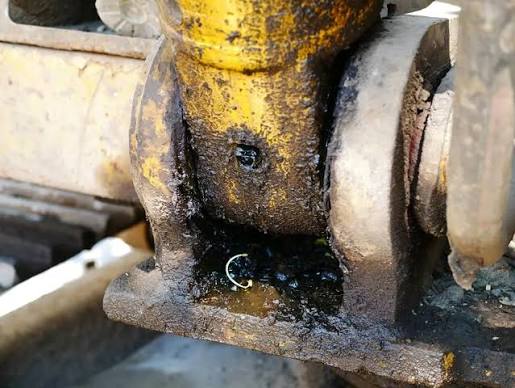
- hydraulic leakage
- cylinder drift
- inconsistent operation
- failure of one function
- complete system failure.
The visible symptom does not necessarily identify the failed component.
For example, slow actuator movement could be caused by insufficient pump flow, excessive internal leakage, a restriction, incorrect valve operation or another issue elsewhere in the system.
Understand the Hydraulic Circuit
Before troubleshooting, it is important to understand how the system is supposed to work.
This means identifying:
- pump
- reservoir
- filters
- valves
- pressure controls
- actuators
- hoses
- manifolds
- accumulators
- cooling systems
- instrumentation.
Hydraulic schematics can be particularly useful because they show how the components are intended to interact.
Pressure and Flow Tell a Story
Pressure and flow measurements can provide valuable information about hydraulic system performance.
Pressure can help establish whether the system is developing the expected resistance and force.
Flow measurements can help determine whether the pump and other components are delivering the required volume.
Looking at both can help narrow down the source of a problem.
Don’t Ignore the Hydraulic Fluid
Hydraulic oil condition can have a major influence on system performance.
Potential problems include:
- contamination
- incorrect viscosity
- water contamination
- degraded fluid
- inadequate filtration
- low reservoir level.
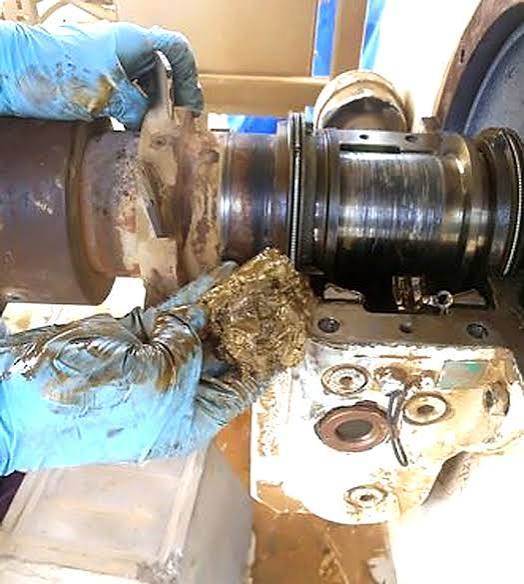
Contamination can also accelerate wear in pumps, valves and other precision components.
Heat Is a Warning Sign
Excessive hydraulic temperature is often a symptom rather than the root problem.
Possible causes can include:
- excessive pressure
- excessive flow through restrictions
- inefficient relief-valve operation
- internal leakage
- inadequate cooling
- incorrect oil viscosity.
Simply adding cooling capacity may therefore treat the symptom without resolving the underlying issue.
Hydraulic Leaks Need Investigation
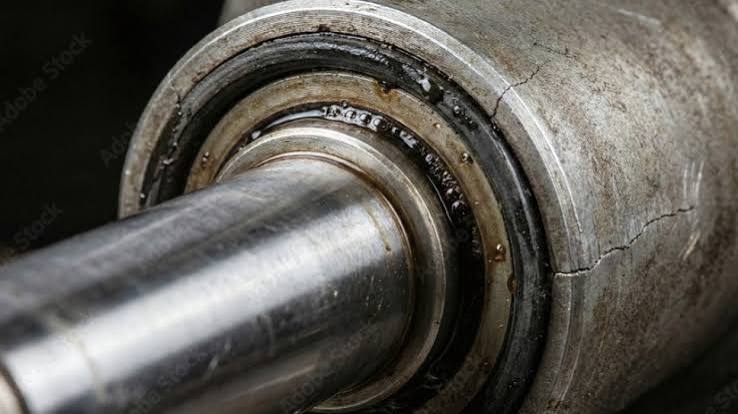
External leaks are usually visible, but internal leakage can be more difficult to identify.
Internal leakage can contribute to:
- cylinder drift
- loss of force
- heat generation
- poor efficiency
- slow operation.
This is why fault finding may require testing rather than visual inspection alone.
Electrical and Control Systems Matter Too
Modern hydraulic equipment often includes electrical control systems.
A hydraulic function that appears to have a mechanical or hydraulic fault may actually be affected by:
- sensors
- solenoids
- PLC logic
- control signals
- interlocks
- wiring
- instrumentation.
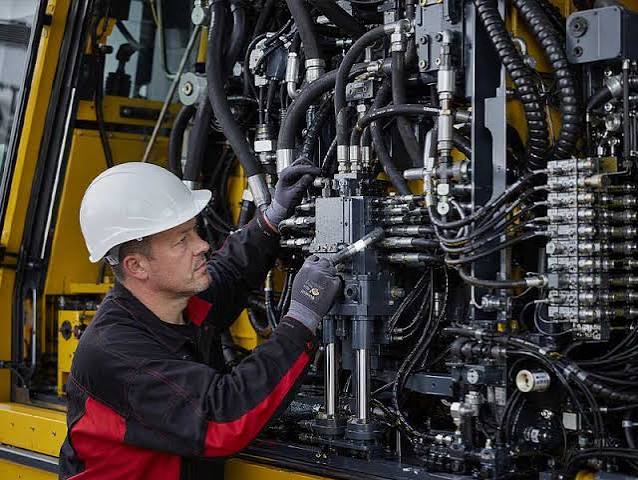
Effective troubleshooting therefore needs to consider the complete electro-hydraulic system.
Replace the Cause, Not the Symptom
One of the risks of component-by-component troubleshooting is replacing a pump, valve or cylinder without identifying why it failed.
If contamination, excessive pressure, incorrect adjustment or another underlying problem remains, the replacement component may experience the same failure.
A structured diagnostic process can help identify the root cause before unnecessary components are replaced.
EHL Hydraulic Troubleshooting and Fault Finding
EHL provides hydraulic engineering, testing, diagnostics, repair and system support for industrial and specialised equipment.
Our capabilities can include hydraulic, mechanical and electrical assessment, pressure and performance testing, component inspection and system troubleshooting.
The objective is straightforward: identify what the equipment is doing, establish why it is doing it and determine what needs to be done to return the system to reliable operation.
FAQ
What are common hydraulic equipment faults?
Common hydraulic faults include loss of pressure, slow movement, overheating, leakage, cylinder drift, excessive noise, contamination and inconsistent operation.
How do you troubleshoot a hydraulic system?
Hydraulic troubleshooting normally starts by identifying the symptom, reviewing the hydraulic circuit, checking fluid condition and measuring pressure, flow and other relevant system parameters.
Why is my hydraulic system losing pressure?
Possible causes include pump problems, relief-valve issues, internal leakage, restrictions, incorrect settings, worn components or other faults in the hydraulic circuit. Testing is required to identify the actual cause.
Why is hydraulic equipment overheating?
Overheating can result from excessive pressure, restrictions, internal leakage, relief-valve operation, inadequate cooling, incorrect oil viscosity or other inefficiencies.
Can an electrical fault cause a hydraulic problem?
Yes. Solenoids, sensors, PLCs, wiring and control systems can affect hydraulic functions in electro-hydraulic equipment.
Why shouldn’t I simply replace the failed hydraulic component?
A failed component may be the result of an underlying problem. Identifying the root cause first can help prevent repeated component failure.
Can EHL diagnose hydraulic equipment faults?
EHL provides hydraulic engineering, diagnostics, testing, repair and system support for industrial and specialised hydraulic equipment.