Oxygen Use in Veterinary Clinics: A Technical Overview
Reliable access to medical-grade oxygen is critical in modern veterinary practice, underpinning everything from anaesthesia to critical care. Yet traditional reliance on cylinders or bulk deliveries introduces risks—supply disruptions, escalating costs, and logistical complexity.
On-site oxygen generation offers a transformative alternative. By producing high-purity oxygen directly within the clinic, veterinary practices can enhance operational efficiency, ensure continuity of care, and future-proof their infrastructure. This article explores the technical, financial, and operational advantages of oxygen generation systems—and why partnering with an experienced integrator like EHL using AirSep technology is key to long-term success.
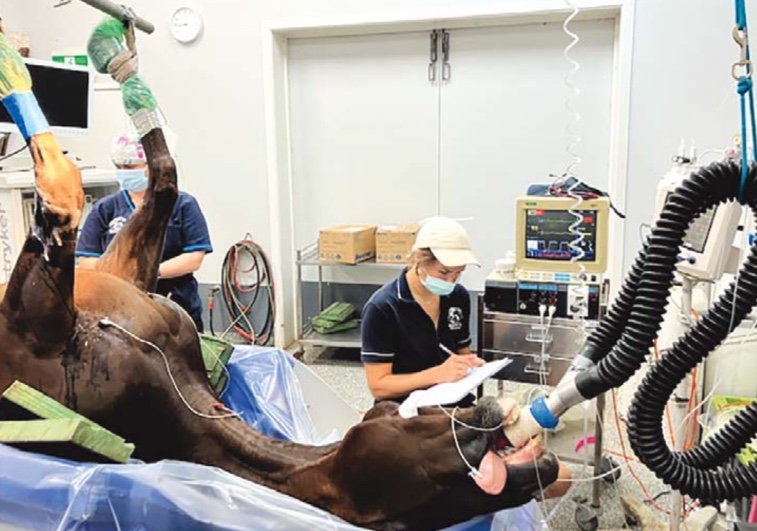
Oxygen is a cornerstone of veterinary medicine, used across multiple clinical functions:
1. Anaesthesia Delivery
- Oxygen acts as the carrier gas for inhalant anaesthetics (isoflurane, sevoflurane).
- Stable, uninterrupted flow is essential for precise anaesthetic depth control.
2. Critical Care & Emergency Medicine
- Oxygen therapy supports patients with respiratory distress, trauma, or cardiac compromise.
- Delivery methods include cages, nasal cannulas, masks, and ventilators.
3. Surgical Procedures
- High flow rates are required for extended procedures.
- System reliability is critical to maintain patient safety during operations.
4. Diagnostic & Recovery Support
- Supplemental oxygen improves recovery outcomes and reduces complications.
Given this broad reliance, any interruption in supply can directly impact patient outcomes and clinic operations.
What is On-Site Oxygen Generation?
Most modern systems use Pressure Swing Adsorption (PSA) or Vacuum Pressure Swing Adsorption (VPSA) technology.
How PSA Works:
- Ambient air (~78% nitrogen, ~21% oxygen) is compressed.
- Air passes through molecular sieves (zeolite material).
- Nitrogen is adsorbed, leaving oxygen enriched gas.
- Output oxygen purity typically ranges from 90–95%, fully suitable for veterinary use.
AirSep systems, globally recognised in the medical and industrial sectors, are engineered for reliability, efficiency, and continuous operation.
Cost Benefits: Moving from OPEX to CAPEX Efficiency
1. Elimination of Cylinder Rental & Refilling Costs
Traditional supply involves:
- Cylinder rental fees
- Delivery charges
- Handling and storage costs
On-site generation replaces these with:
- Power consumption
- Routine maintenance
2. Long-Term ROI
- Payback periods are often 12–36 months, depending on usage volume.
- Significant cost reductions over the system lifecycle (10–15 years).
3. Predictable Operating Costs
- Electricity costs are stable compared to fluctuating gas pricing.
- Reduced exposure to supplier price increases.
Security of Supply: Clinical Continuity Assured
Key Risks with Traditional Supply
- Delivery delays or shortages
- Supply chain disruptions
- Emergency demand spikes
Benefits of On-Site Generation
- Continuous production of oxygen on demand
- Reduced dependence on external suppliers
- Backup storage integration for redundancy
This is particularly critical for:
- Overnight emergency cases
- Long surgical procedures
- High patient volumes
Regional & Remote Clinics: A Critical Use Case
For practices outside metropolitan areas, oxygen supply challenges are amplified:
Common Issues
- Long delivery lead times
- Limited supplier availability
- Higher transport costs
- Vulnerability during weather events or disruptions
Why Oxygen Generation is Essential
- Enables self-sufficiency
- Eliminates reliance on unreliable delivery schedules
- Improves resilience in emergencies
For remote clinics, on-site generation is often not just beneficial—it is essential infrastructure.
Operational Advantages
1. Workflow Efficiency
- No cylinder handling or changeovers
- Reduced staff time spent managing inventory
2. Space Optimisation
- Eliminates bulky cylinder storage
- Improves safety by reducing high-pressure storage
3. Safety Improvements
- Lower risk of handling injuries
- Reduced hazards associated with high-pressure cylinders
4. Scalability
- Systems can be sized and expanded as the clinic grows
Why Partner with EHL + AirSep
Implementing an oxygen generation system is not just a product purchase—it’s a system integration project.
EHL’s Role as a Systems Integrator
EHL provides a full lifecycle solution:
1. System Design
- Custom sizing based on clinic demand
- Flow rate and redundancy planning
- Integration with existing infrastructure
2. Installation & Commissioning
- Turnkey installation
- Compliance with medical gas standards
- Seamless changeover from cylinders
3. Ongoing Support
- Preventative maintenance programs
- Remote monitoring and servicing
- Technical support and optimisation
AirSep Technology Advantages
AirSep systems are:
- Globally recognised and widely deployed
- Engineered for medical-grade oxygen production
- Designed for reliability in continuous operation environments
- Proven in both human healthcare and veterinary settings
The combination of EHL’s engineering expertise and AirSep’s proven technology ensures:
- System uptime
- Regulatory compliance
- Long-term performance
Practical Implementation Considerations
When evaluating oxygen generation, practices should assess:
- Peak and average oxygen demand
- Redundancy requirements
- Available plant space
- Power availability
- Integration with existing anaesthesia systems
A professional system design ensures optimal performance without oversizing or inefficiencies.
Conclusion
On-site oxygen generation represents a strategic upgrade for veterinary clinics. It delivers:
- Cost savings through reduced reliance on cylinders
- Security of supply for uninterrupted clinical care
- Operational efficiency for staff and workflows
- Resilience, particularly in regional and remote locations
By partnering with EHL and leveraging AirSep oxygen generation systems, clinics gain not only cutting-edge technology but also the expertise required to design, install, and maintain a system tailored to their needs.
In an environment where reliability and efficiency directly impact patient outcomes, oxygen generation is no longer a luxury—it is a forward-thinking standard.
Contact EHL’s specialist team today: solutions@ehlsolutions.com
FAQ: Oxygen Generation in Veterinary Clinics
What is on-site oxygen generation for veterinary clinics?
On-site oxygen generation is a system that produces medical-grade oxygen directly within a veterinary clinic using Pressure Swing Adsorption (PSA) technology. Instead of relying on delivered cylinders, clinics generate oxygen on demand from ambient air, providing a continuous and reliable oxygen supply.
How does a PSA oxygen generator work?
A PSA oxygen generator compresses ambient air and passes it through specialised molecular sieves that remove nitrogen. This process produces oxygen with a typical purity of 90-95%, making it suitable for veterinary applications including anaesthesia, critical care, surgery, and oxygen therapy.
Is generated oxygen safe for veterinary patients?
Yes. Oxygen produced by modern PSA systems meets the purity requirements for most veterinary medical applications. These systems are widely used in healthcare and veterinary settings worldwide and provide a dependable source of oxygen for patient care.
What are the benefits of oxygen generation compared to cylinders?
On-site oxygen generation can:
- Reduce oxygen supply costs
- Eliminate cylinder rental and refill expenses
- Improve supply reliability
- Remove delivery dependence
- Increase workplace safety
- Reduce staff time handling cylinders
- Provide oxygen on demand 24/7
How much can veterinary clinics save with oxygen generation?
Savings vary depending on oxygen consumption and location, but many veterinary clinics achieve payback on their investment within 12 to 36 months through reduced cylinder rental, delivery fees, and refill costs.
Why is oxygen generation important for regional and remote veterinary clinics?
Regional and remote clinics often face longer delivery lead times, higher transport costs, and greater exposure to supply disruptions. On-site oxygen generation creates greater self-sufficiency and ensures critical oxygen remains available during emergencies, extreme weather events, or supply chain disruptions.
Can oxygen generation systems support emergency and critical care cases?
Yes. Oxygen generators are designed to provide continuous oxygen production and can be integrated with backup storage systems to support emergency cases, critical care patients, overnight monitoring, and extended surgical procedures.
What veterinary applications require oxygen?
Oxygen is essential for:
- Anaesthesia delivery
- Emergency medicine
- Respiratory support
- Intensive care
- Surgical procedures
- Recovery and post-operative care
- Mechanical ventilation systems
How do oxygen generation systems improve clinic efficiency?
Removing cylinder management simplifies operations. Staff spend less time organising deliveries, changing cylinders, monitoring inventory, and managing storage, allowing greater focus on patient care and clinical activities.
Are oxygen generation systems scalable?
Yes. Oxygen generation systems can be designed around current demand and expanded as clinics grow, making them suitable for small veterinary practices through to large hospitals and specialist centres.
Why choose EHL for oxygen generation projects?
EHL provides complete oxygen generation solutions including system design, installation, commissioning, maintenance, monitoring, and technical support. This ensures the system is correctly sized, compliant, reliable, and aligned to the clinic’s long-term operational requirements.
Why is AirSep technology from EHL used in veterinary oxygen generation?
AirSep oxygen generation systems are recognised globally for their reliability, efficiency, and continuous-duty performance. Their technology has been proven across medical, healthcare, and veterinary environments where oxygen supply is mission-critical